Locksmith in Newmarket, OntarioRekeying forhomes and businesses in Newmarket
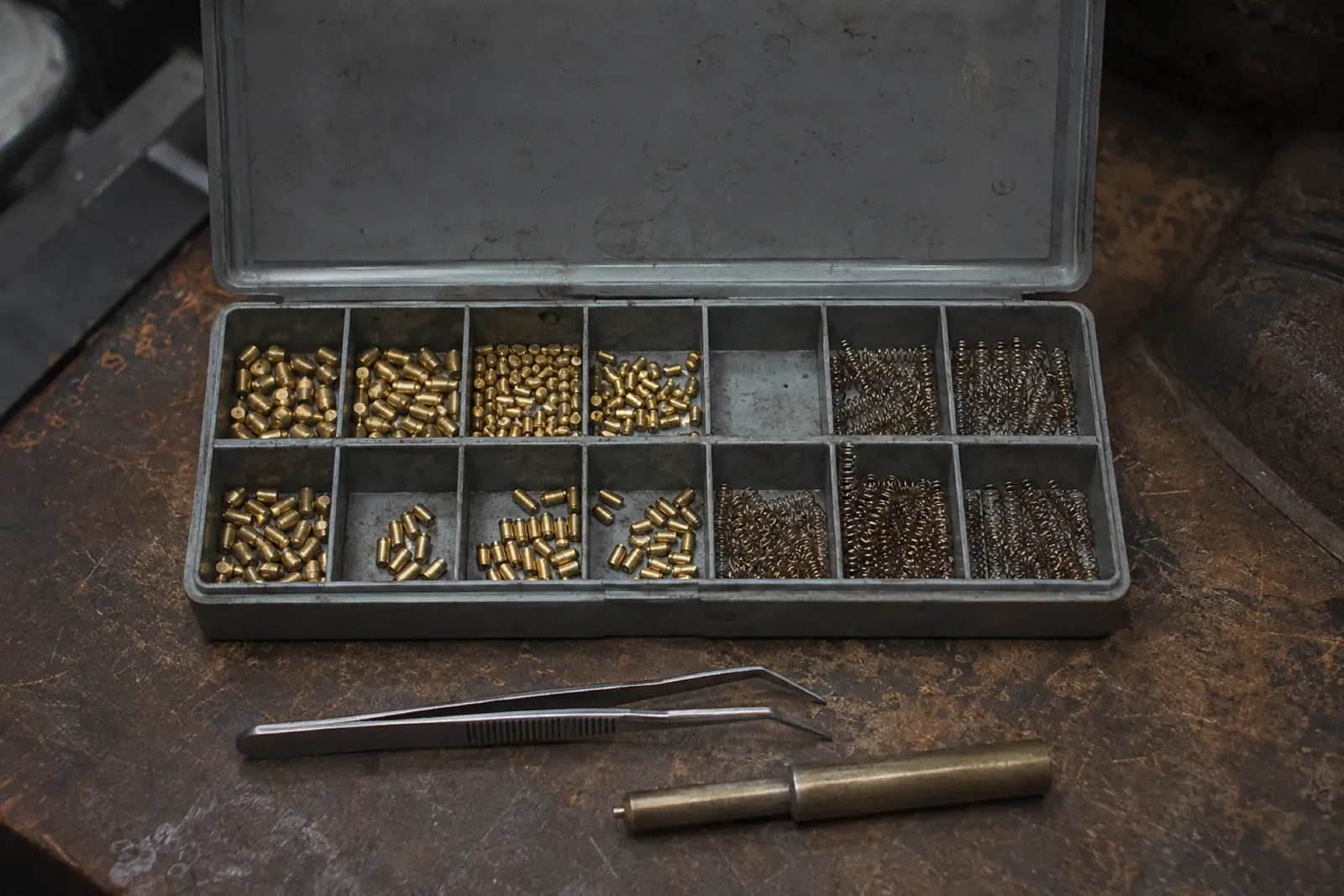
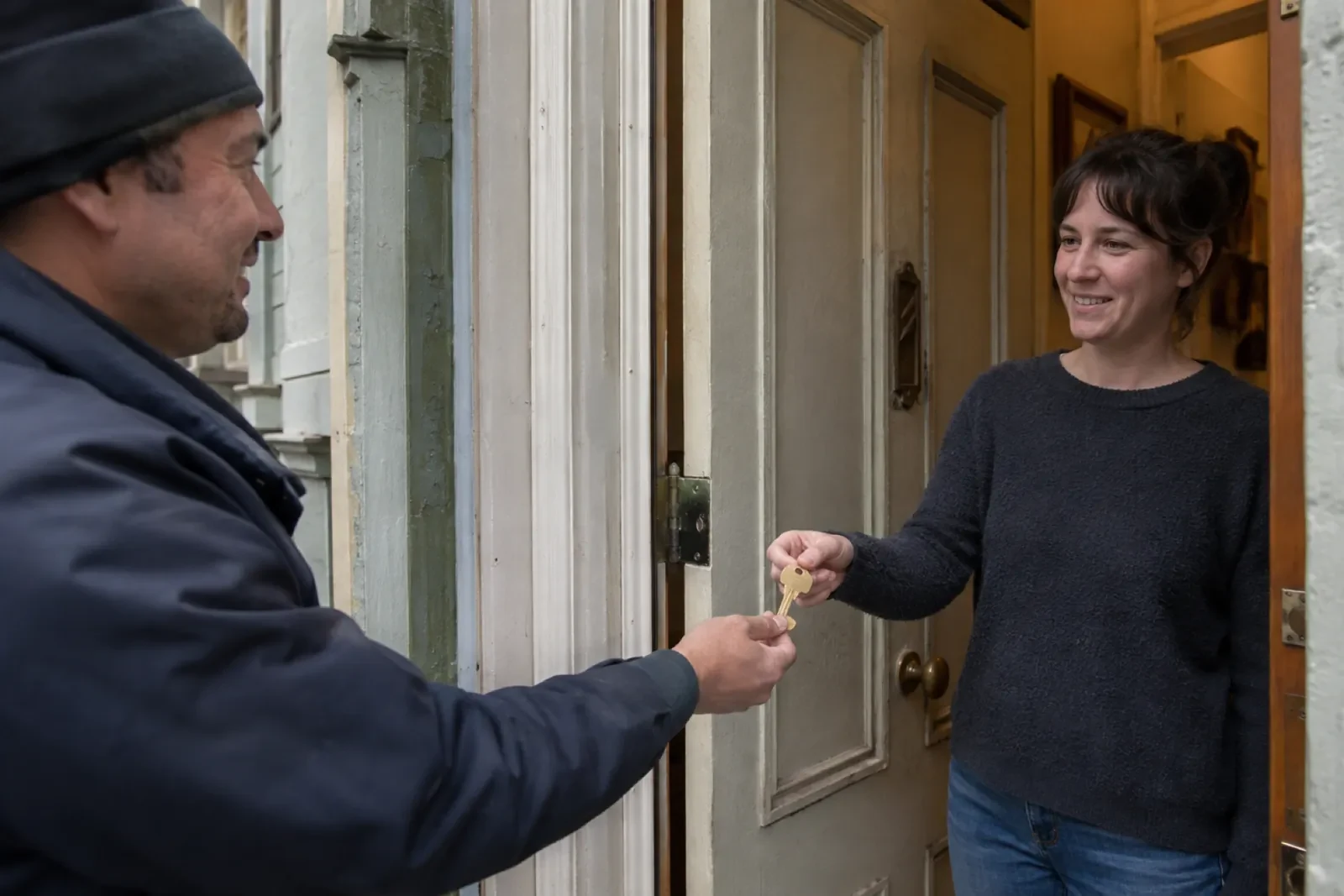
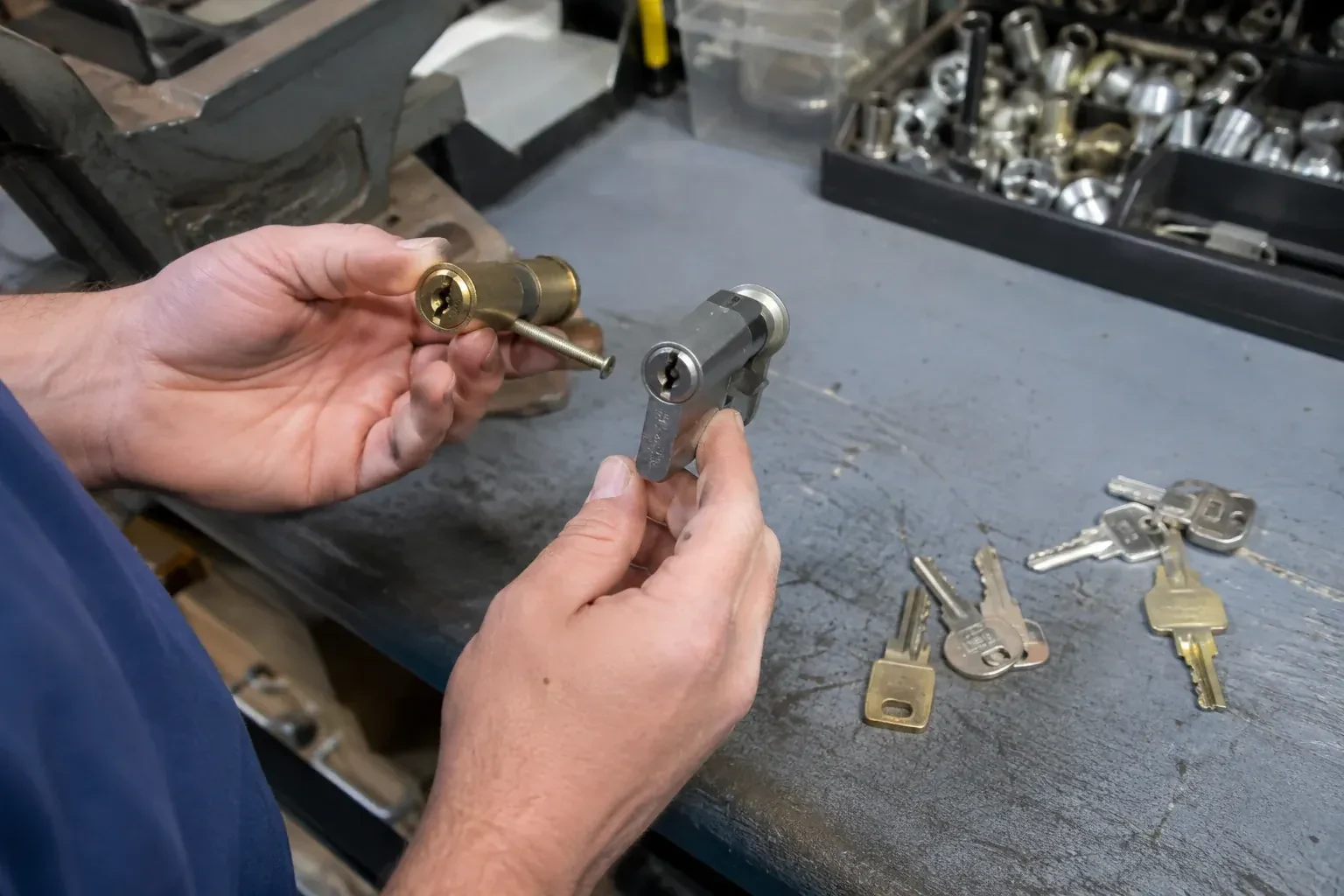
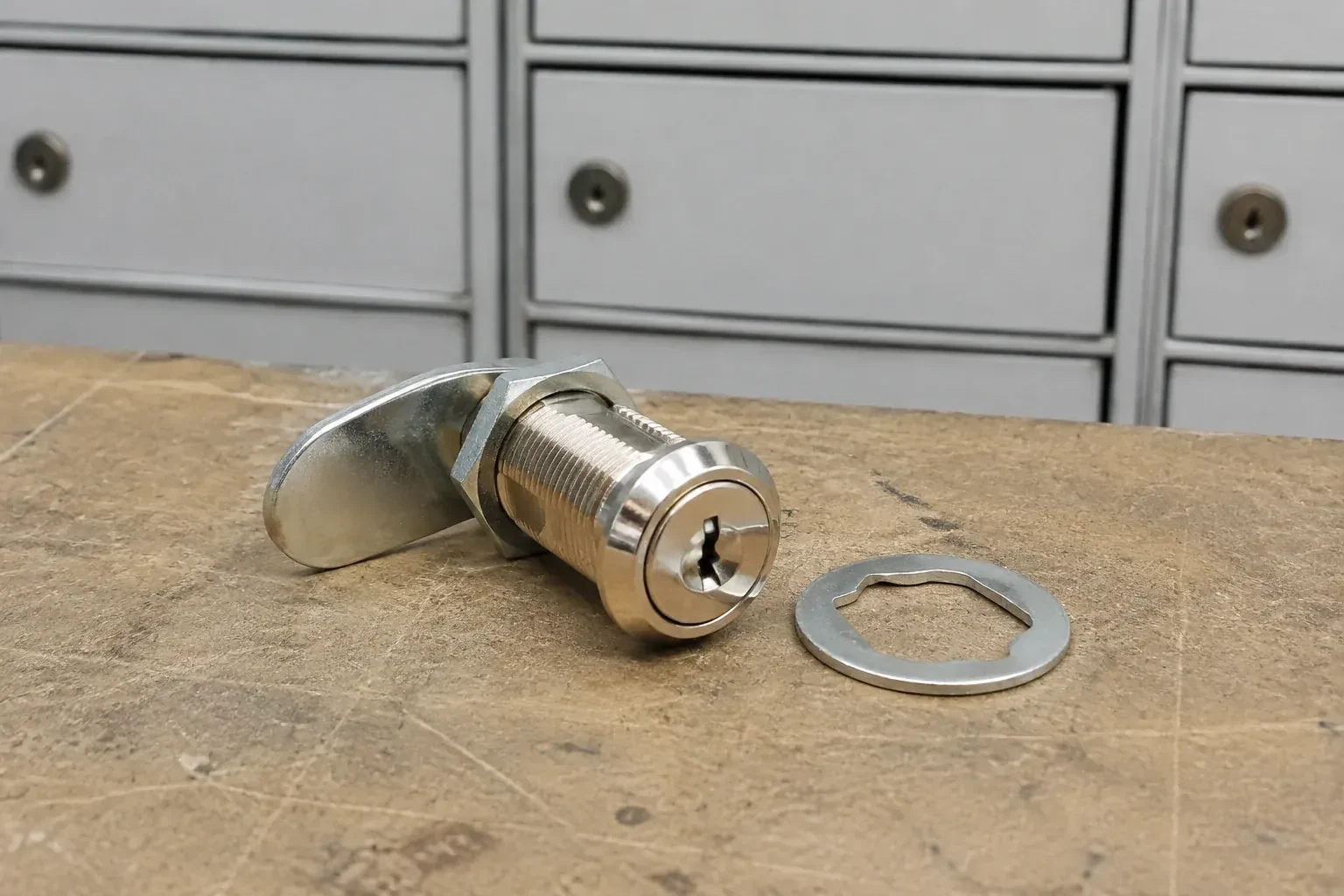
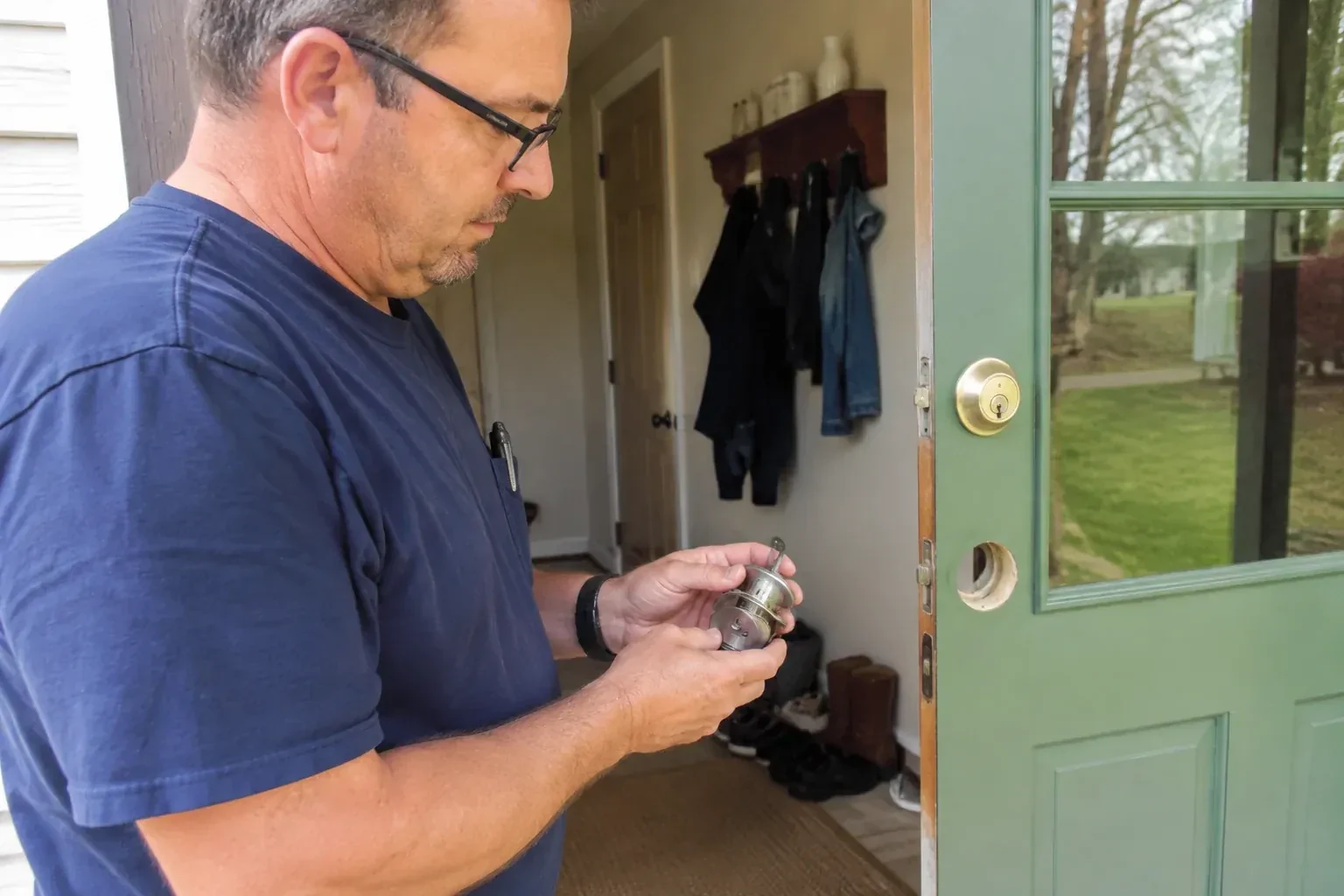
Rekeying keeps the lock you already own and changes which key opens it, which makes it the tidy answer to a lost key, a departed roommate or a staff change. Across Newmarket we rekey single doors, whole houses and small commercial buildings, and cut the new keys on the spot.
Rekeying keeps the lock you already own and changes which key opens it, which makes it the tidy answer to a lost key, a departed roommate or a staff change. Across Newmarket we rekey single doors, whole houses and small commercial buildings, and cut the new keys on the spot.
Homes and businesses, one call.
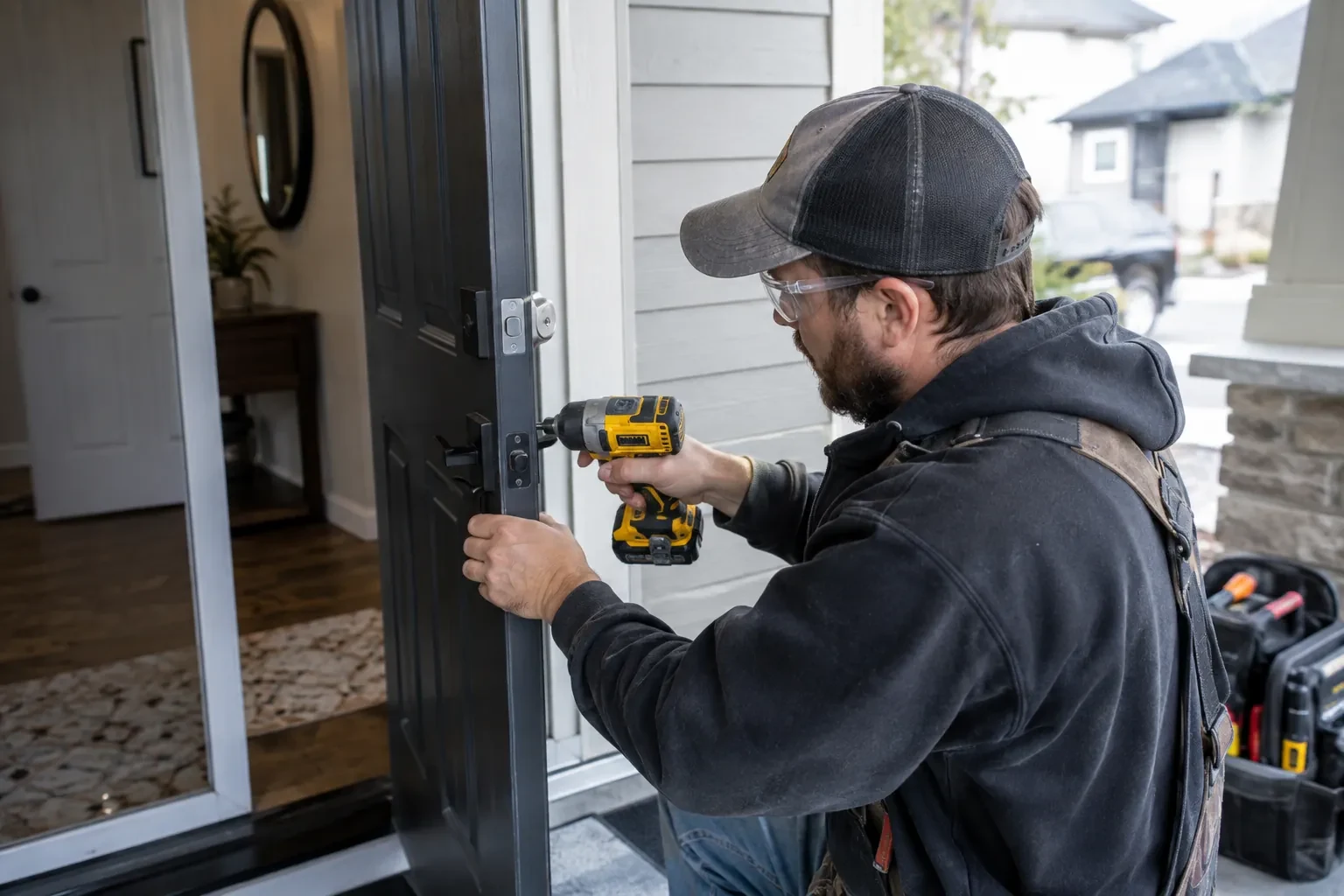
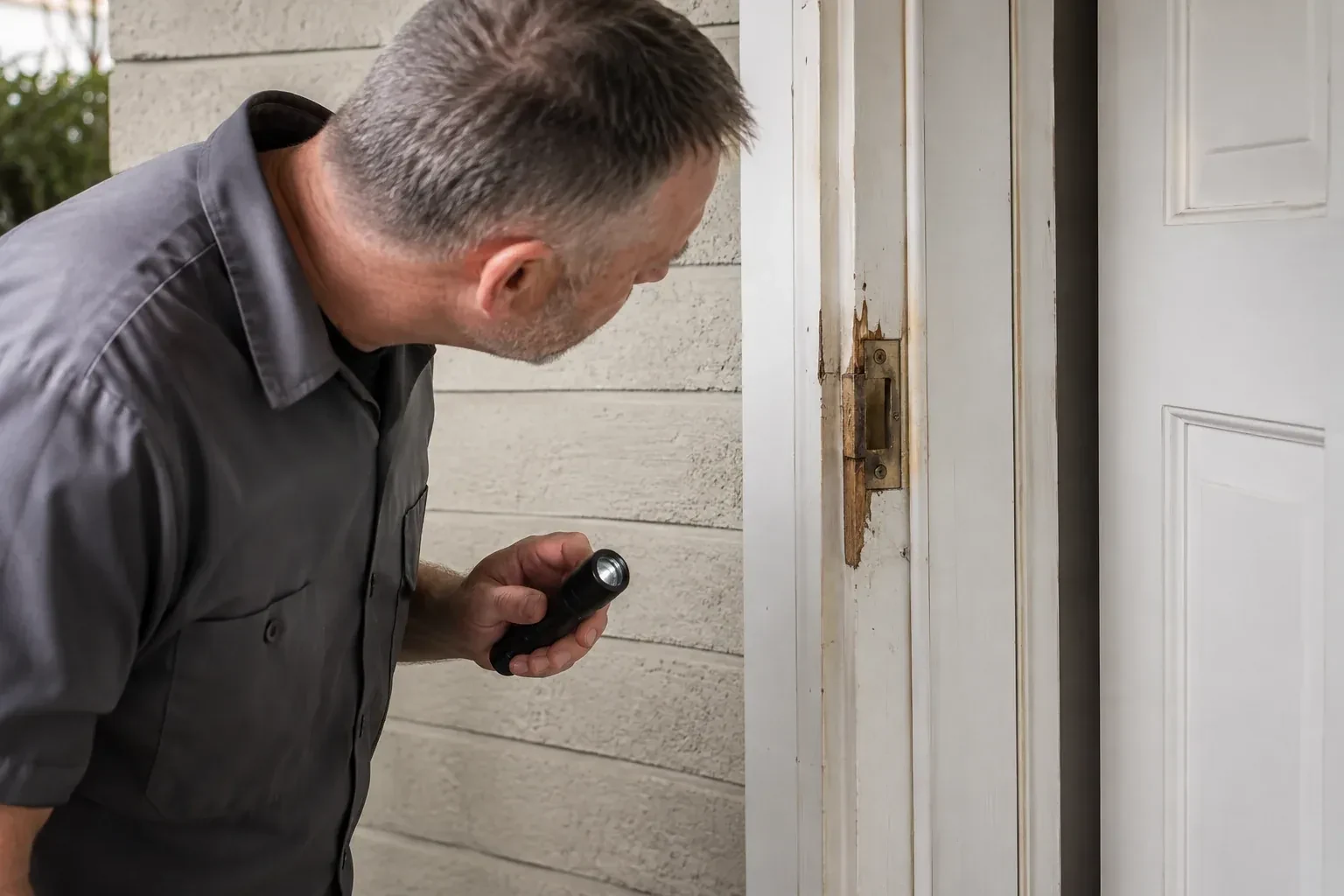
After a break-in, households in Newmarket need the door secured tonight and the decisions made later. We come out, board or repair what is damaged, replace or rekey anything that might have been compromised, and leave you with a locked house. Conversations about strike plates and better cylinders wait until the shock has passed and you are ready to have them.
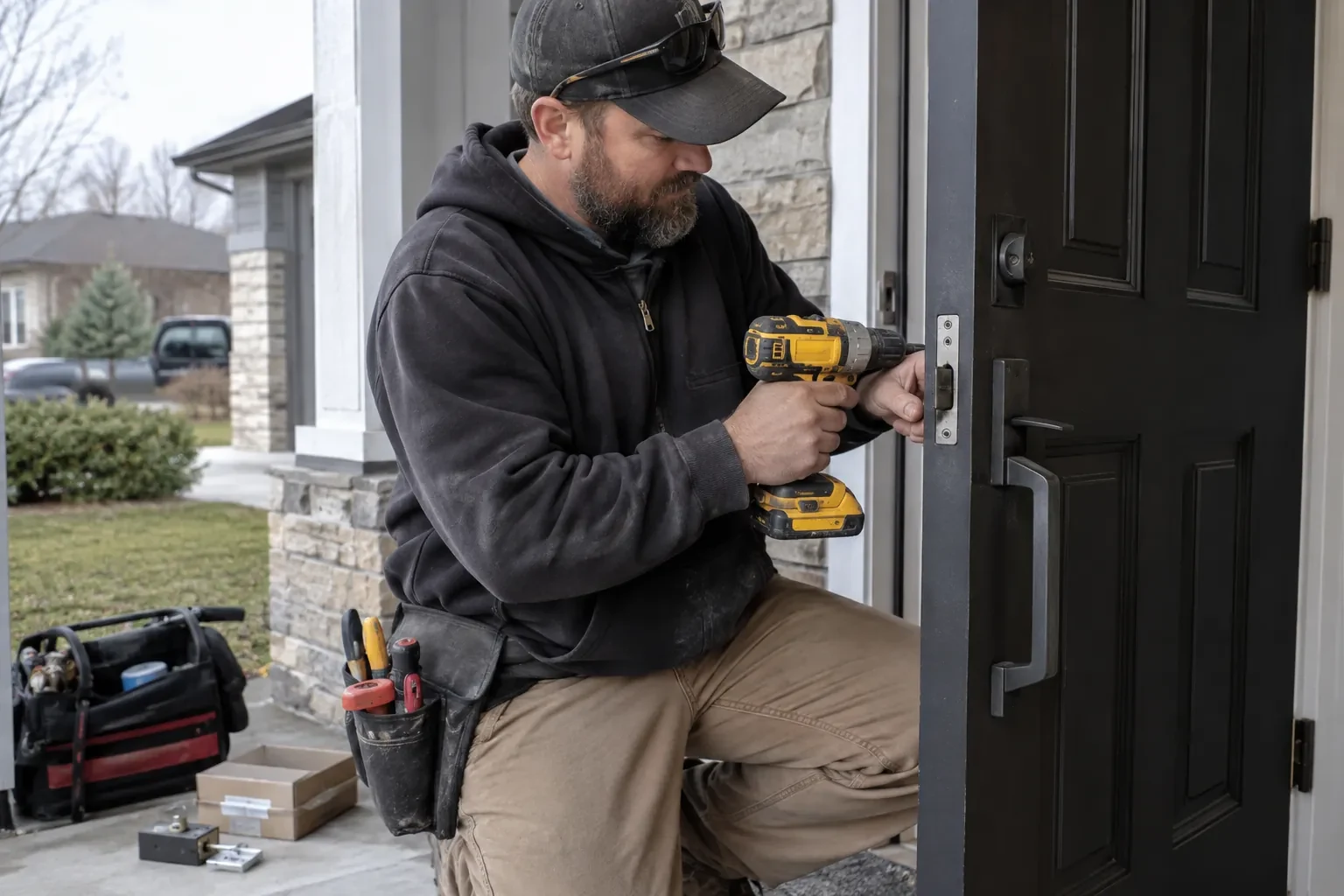
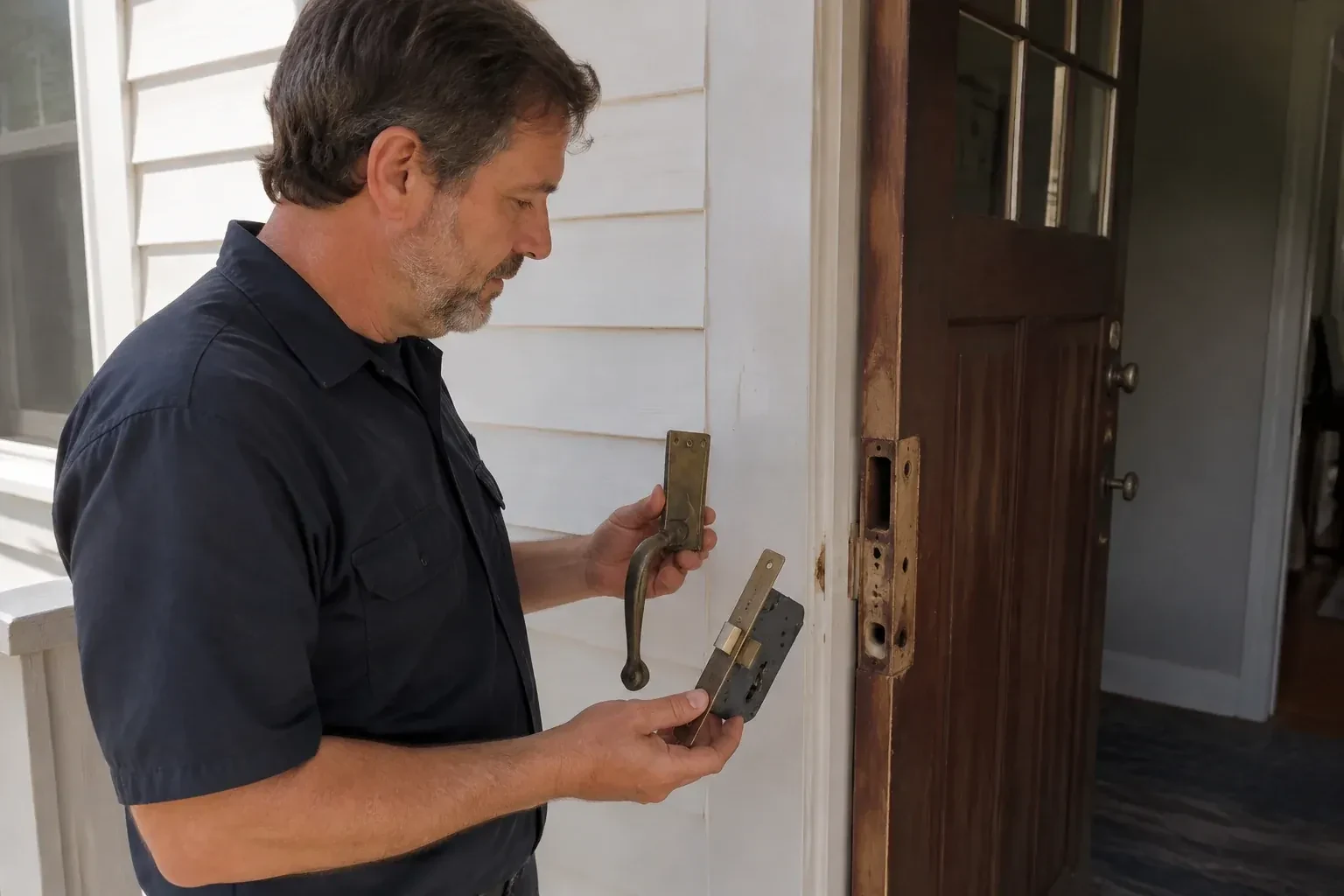
When a lock in Newmarket starts fighting the key, the cause is usually one of a few things: worn pins, a strike that has moved, a door that has dropped on its hinges or a key copied too many times. We find which one it is before suggesting anything, then address the cause. Often the lock you have is fine and simply needs to be set right.
15years in business
24/7open every day
No surprises on the doorstep. What we described on the phone is what we plan to do. If the door tells us something different when we see it, we stop and talk before going further.
Helping you choose well. Hardware ranges from basic to heavy-duty and simple to electronic. We explain the differences that actually matter for your door and leave the choice with you.
Neat work, neatly finished. Holes drilled cleanly, hardware aligned, nothing crooked or forced. A lock should look like it belongs on the door, and we take the time to make sure it does.
Choose a service to see how it works in Newmarket. Each page explains the situation it suits, what the locksmith looks at first, how the job is done, and how to look after the hardware afterwards. If your problem sits between two services, either page will get you to the right conversation.
About 30% of homes in Newmarket were built in 1980 or earlier, according to the 2021 Census.
Newer homes
Builder-grade cylinders in newer homes are usually simple to pick and bump. Households who want their door to resist more than a casual try can move to a high-security cylinder that drops into the same hardware they already own.
Single-detached houses make up about 60% of homes in Newmarket (2021 Census).
Neighbourhoods of houses beside townhouses and low-rise buildings have a range of door constructions: solid wood, steel, fibreglass and metal-clad. A locksmith who works in such an area is used to fitting hardware to all of them without new holes.
If a break-in nearby, a move, a lost key or a departed employee has made you look twice at your door, this is the group to read. We explain ratings, bumping, drilling and reinforcement without drama, and help you choose where to spend.
You have lost count of how many people have had a key to your house over the years: cleaners, a contractor, a former partner, the previous owner's family.
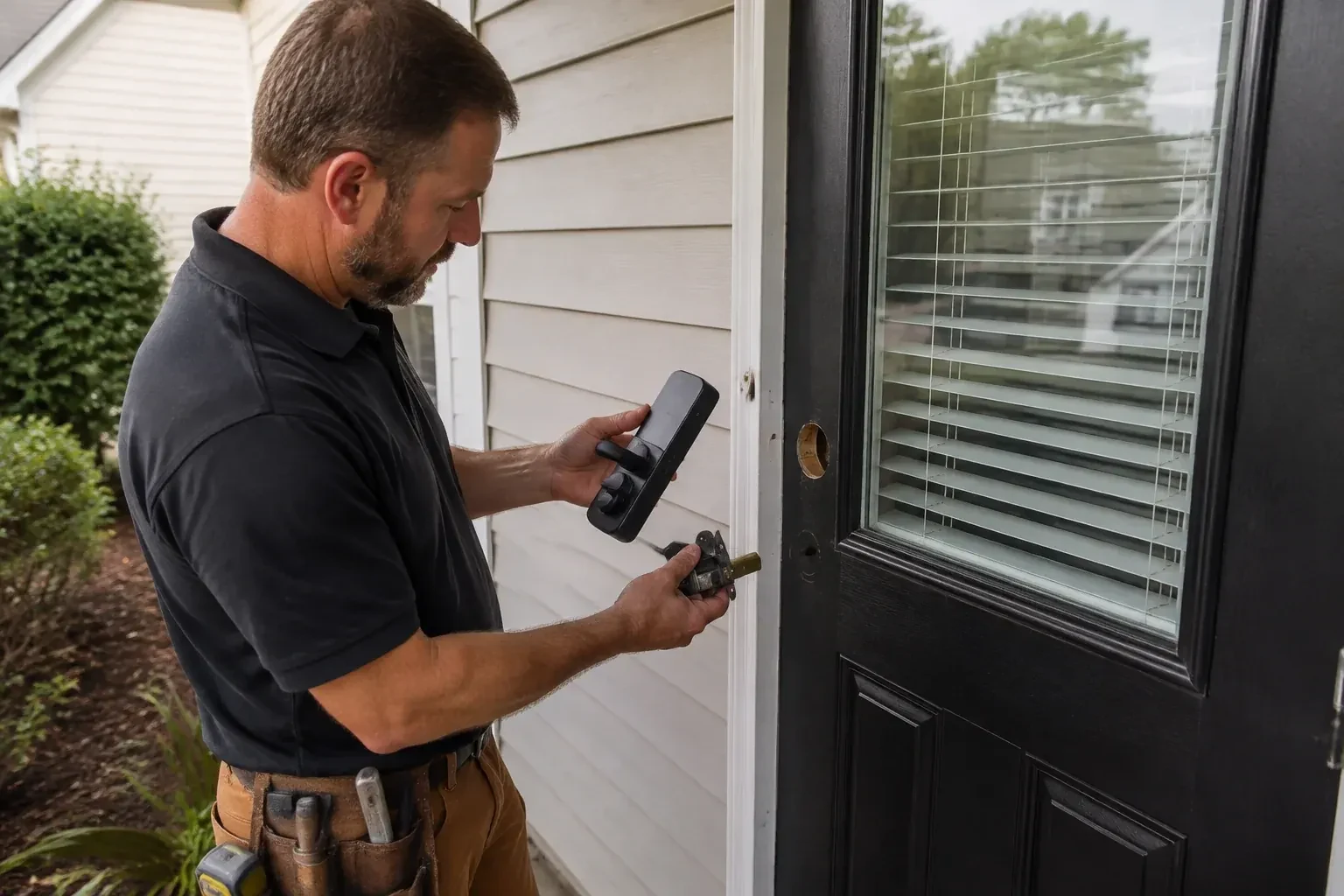
You bought a keypad deadbolt online and pulled the old one off, only to find the hole in the door is a different size and the bolt latch sits at a backset the new kit does not list.
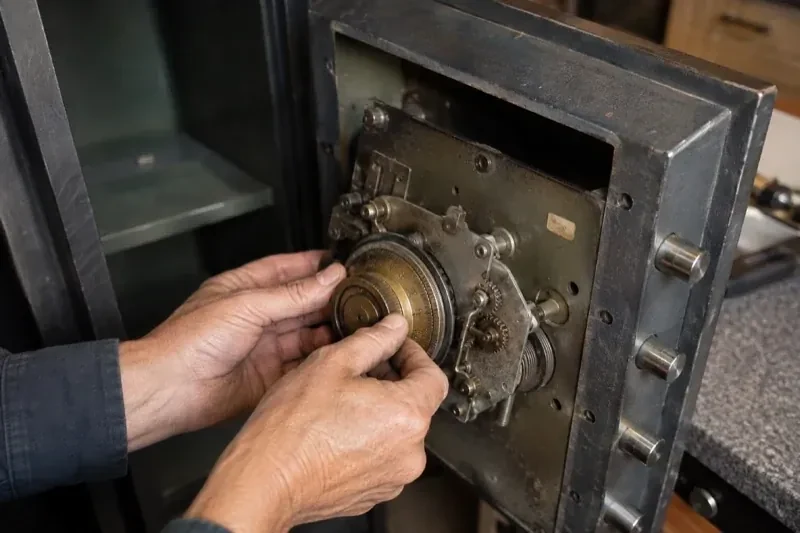
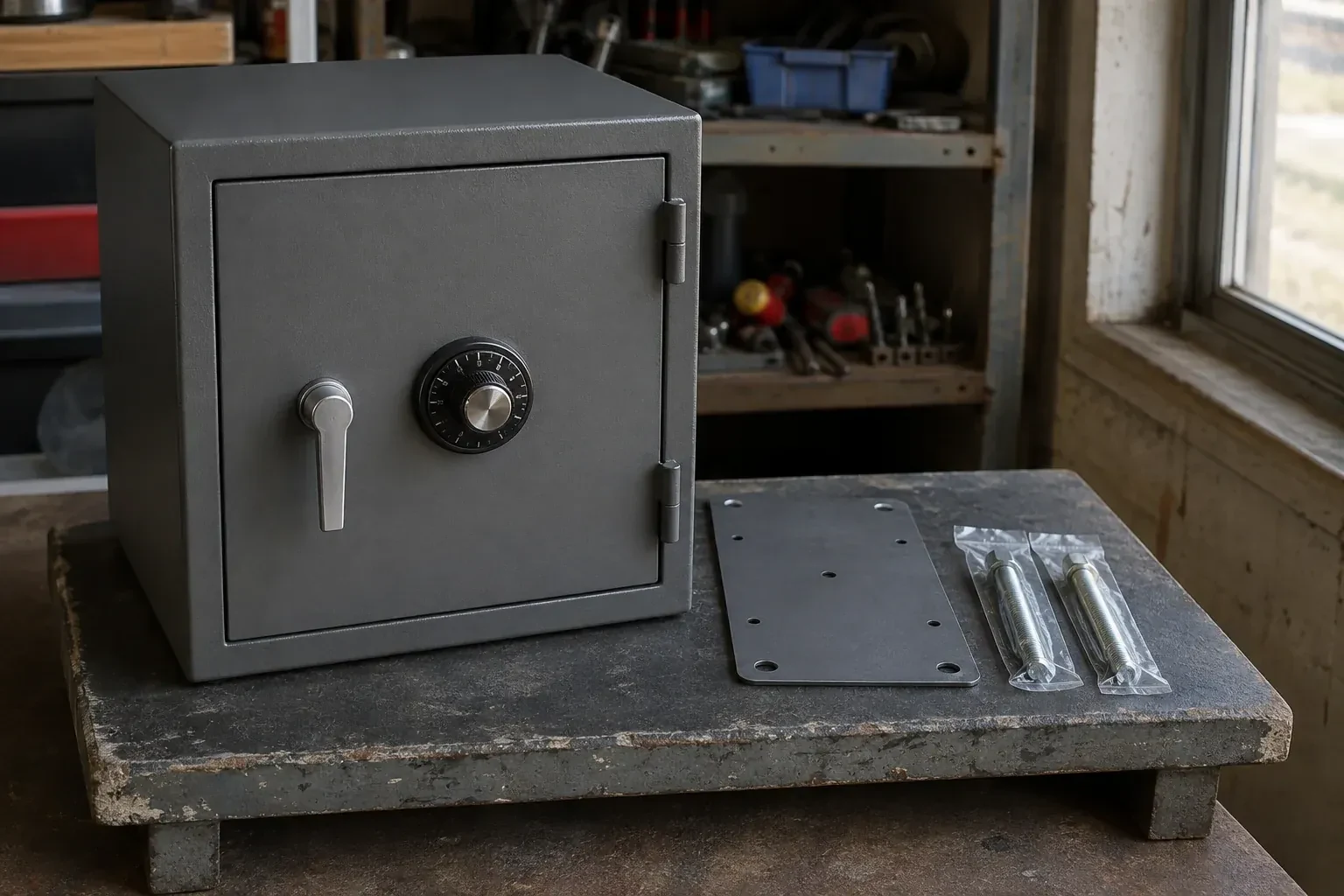
The bookkeeper who set the office safe's code retired in a hurry, and the float cash for tomorrow's registers is sitting behind a keypad nobody else in the building can operate.
The till drawer has been holding two days of cash because the new shop never got a proper safe, and a locked drawer under the counter is the only thing standing between that cash and anyone who works late.
Which fix fits?
It is minus fifteen, the wind is coming across the driveway, and the key will only go halfway into the deadbolt.
WhyFor a landlord, a host or anyone who shares a door with people who come and go, the appeal is control without key cutting.
The pharmacy's drop safe has a keypad that finally lost power for good, and the little override key that was supposed to live behind the counter cannot be found anywhere.
WhyOnce a safe is open, the visit is only half finished.
The keypad on the side door has started sticking on cold mornings, codes get shared instead of reset, and half the staff still remember a code you meant to retire two hires ago.
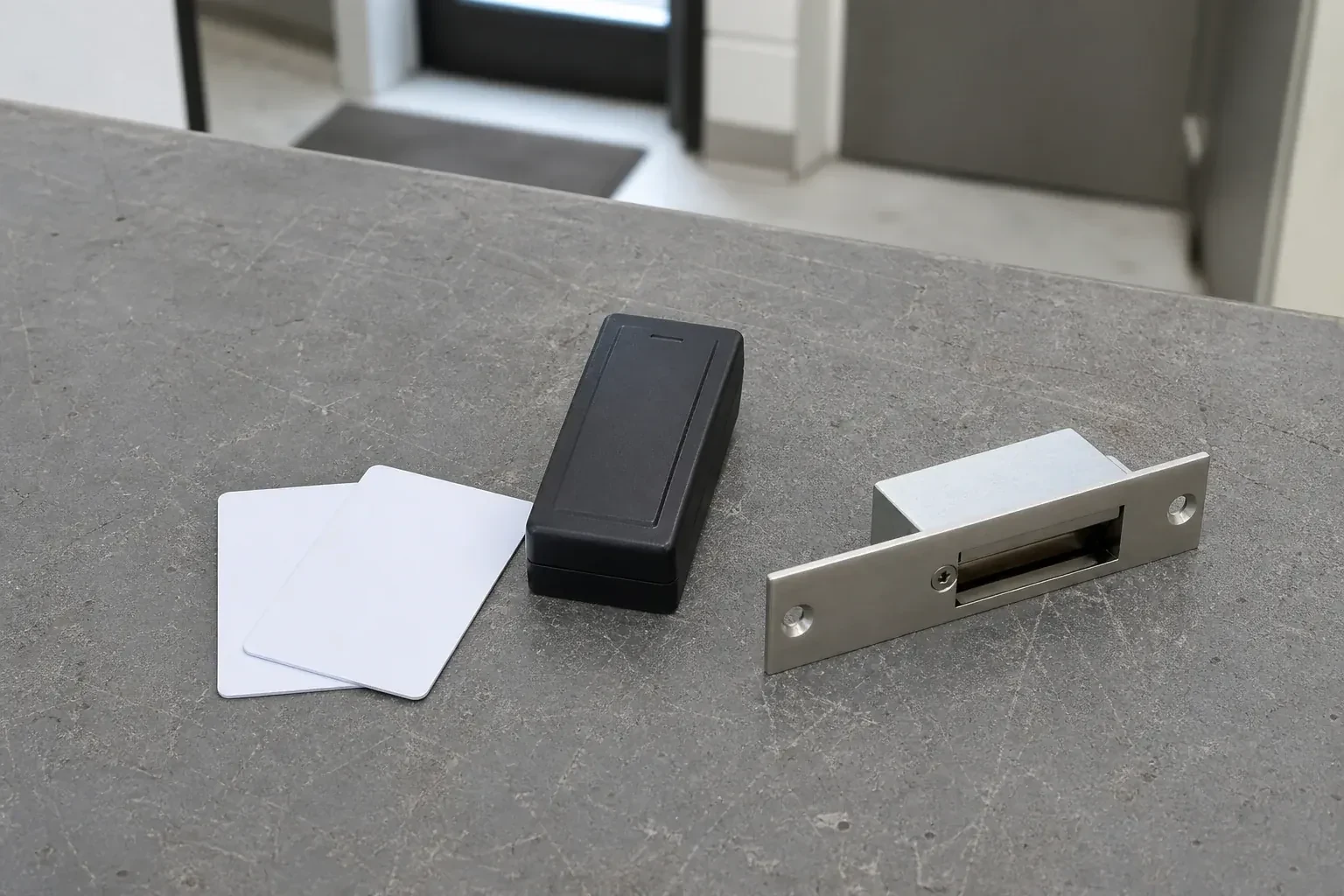
WhyAccess control installation swaps a shared metal key for an electronic one: a card, a fob, a code, or a phone tap that a controller checks against a list the business manages.
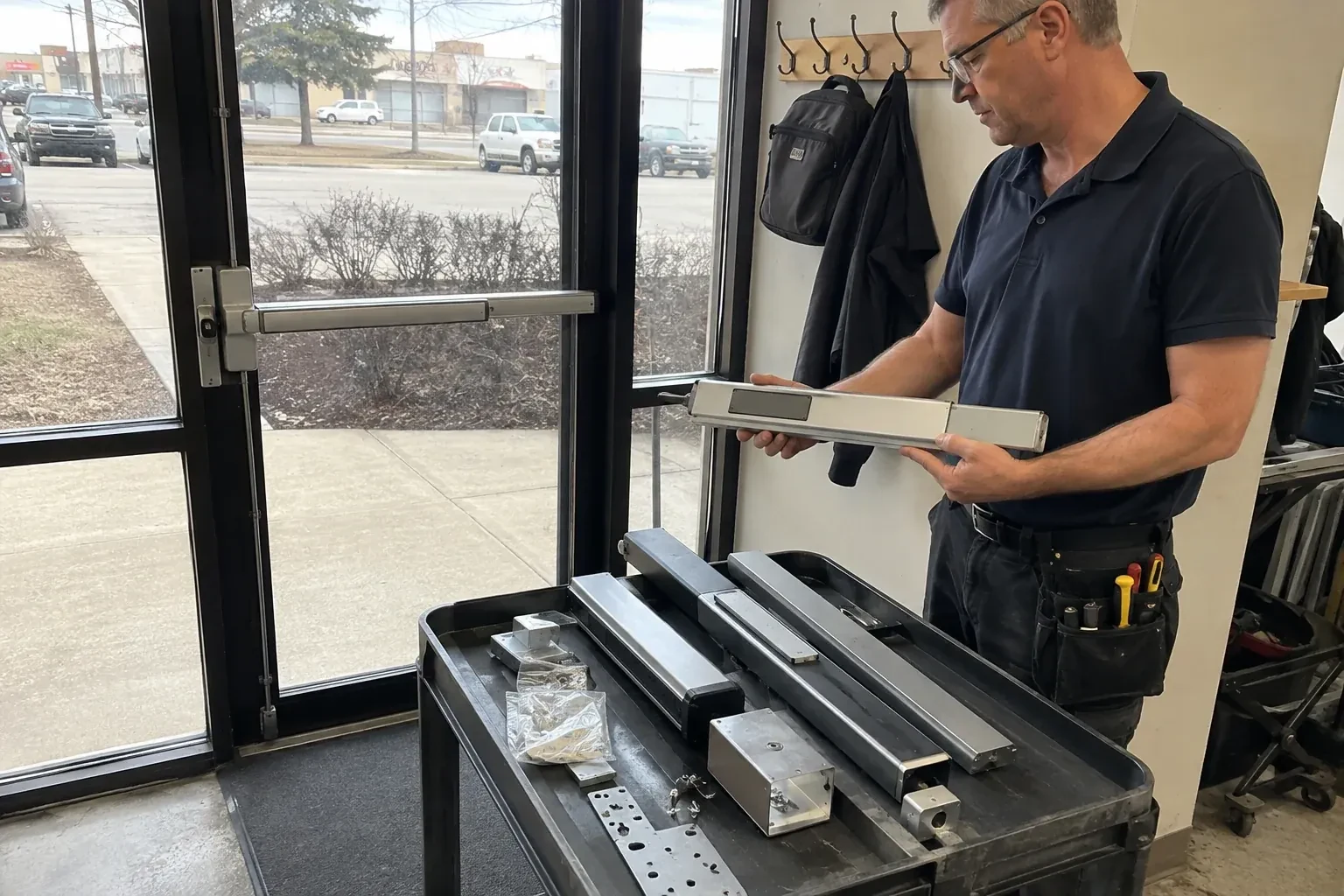
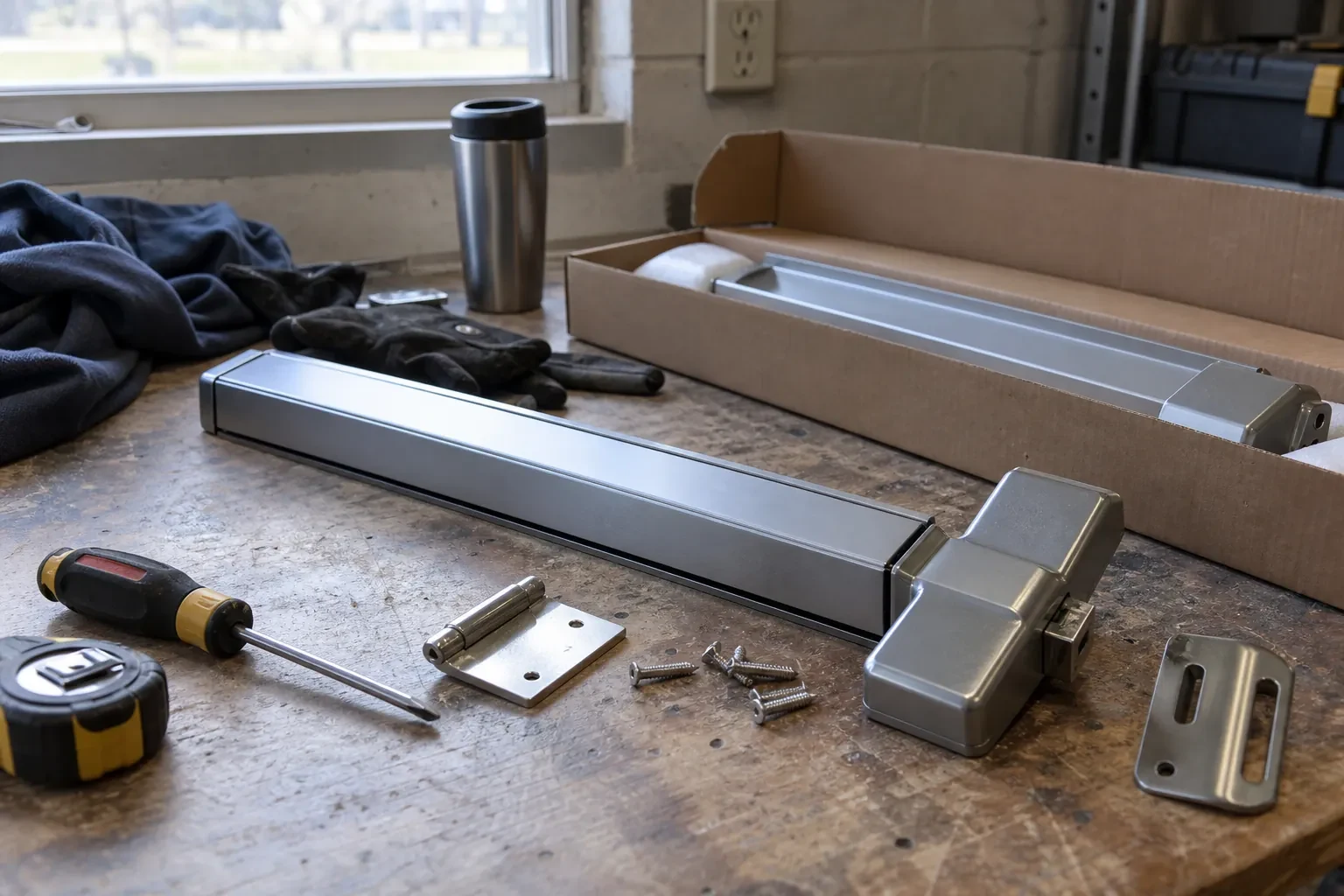
A padlock went on the stockroom's back door years ago for security and nobody has thought about it since, until the walkthrough this week pointed out that the same door is the room's only other way out.
WhyA pair of doors is its own small project, and not every pair needs the same approach.
At closing time the hookbolt on the storefront door catches the keeper only on the second or third try, and one employee has started giving the door a shoulder to force it home.
WhyBusinesses often reach this service after something specific happens: a break-in, a departing employee holding a working key, a lease turnover, or an inspector's note about the rear exit.
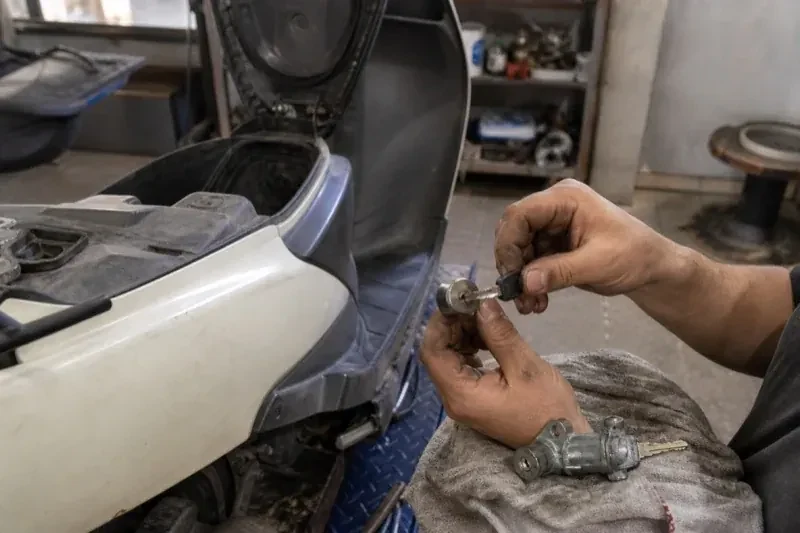
The bike came home from its previous owner with a single worn key that starts the engine but does nothing for the seat latch or the fuel cap, both of which answer to keys nobody handed over.
WhySometimes the machine is not the problem; the key is.
Good days. Start with a turn.
1/9Home Lockout Service
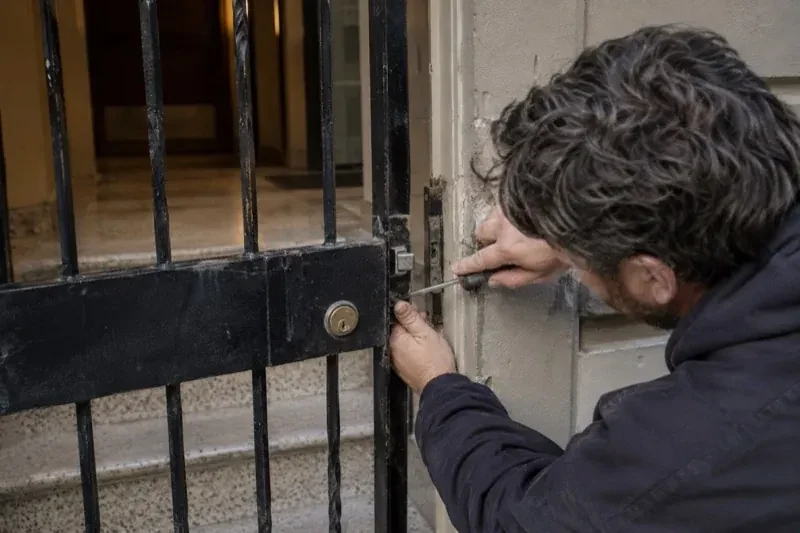
It is minus fifteen, the wind is coming across the driveway, and the key will only go halfway into the deadbolt. Yesterday's thaw left water in the keyway and overnight it froze solid. Forcing it only makes the metal flex.
You were locking up on the way out when the key broke in the lock. Now the door is unlocked, a piece of key is jammed in the cylinder, and you were already running late for work.
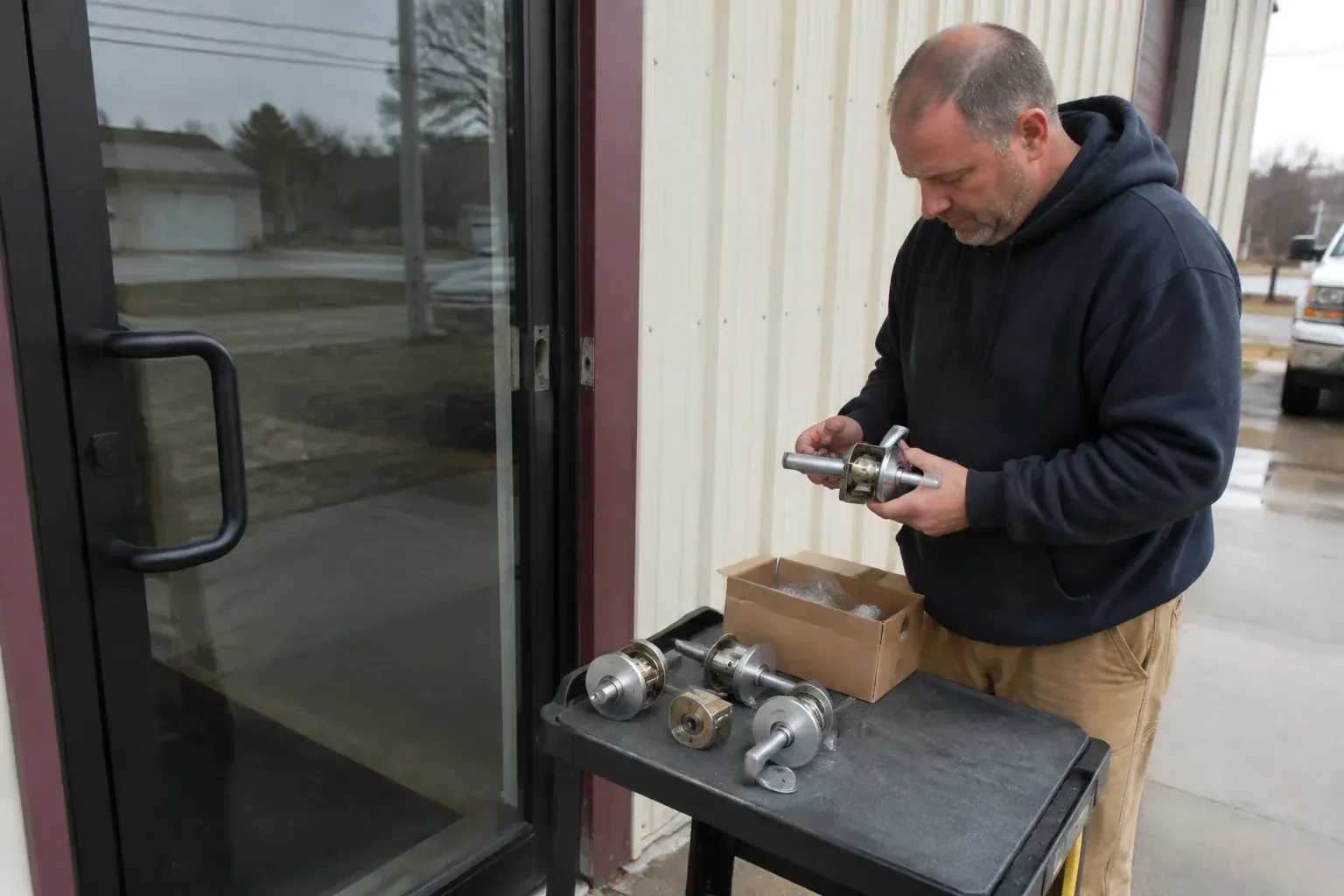
The key turns freely in the round cylinder on the door, all the way around and back, without the bolt shifting at all. The cylinder itself wobbles slightly when you press it, as if it has come loose inside the door.
The rental turns over every few months and each time you drive across town to swap keys, then wonder whether copies were made. A lock with codes you can set and erase from your phone would end that cycle.
The pharmacy's drop safe has a keypad that finally lost power for good, and the little override key that was supposed to live behind the counter cannot be found anywhere.
The keypad on the side door has started sticking on cold mornings, codes get shared instead of reset, and half the staff still remember a code you meant to retire two hires ago.
A padlock went on the stockroom's back door years ago for security and nobody has thought about it since, until the walkthrough this week pointed out that the same door is the room's only other way out.
At closing time the hookbolt on the storefront door catches the keeper only on the second or third try, and one employee has started giving the door a shoulder to force it home.
The bike came home from its previous owner with a single worn key that starts the engine but does nothing for the seat latch or the fuel cap, both of which answer to keys nobody handed over.
My key snapped off in the lock. Is that still a lockout call?
It starts the same way and adds one step. The broken blade is removed with extraction tools that grip it and draw it out, rather than pushing it deeper, and then the door is opened normally. A key rarely breaks in a healthy cylinder, so the locksmith checks the pins and springs afterwards and cleans or services the cylinder if wear caused it. A new key is cut from the two halves or from the code, since a weakened copy would snap again.
Why do keys break more in winter?
A daytime thaw sends meltwater into the keyway, and overnight it freezes with the plug held solid. The key goes in, meets resistance, and the natural reaction is to turn harder. Brass gives before ice does, especially at a deep cut that has thinned over years. Cold also stiffens old grease in the cylinder. De-icer, gentle warmth and a dry lubricant break the pattern.
Why does my knob turn without moving the latch?
Most often the square hole in the hub inside the case has rounded with age, or the spindle has worn, so the knob turns a good way before it grips. Loose knob set screws produce the same slack. Less often a latch spring has broken and the latch is simply sitting inside the door. All of these are corrected during service by replacing the spindle and screws, bushing or replacing the hub, or fitting a new spring.
Do I need a hub or a bridge?
Only if the model you choose uses one to reach the internet. Some locks have Wi-Fi built into the interior unit and connect straight to your router. Others save battery by using Bluetooth at the door and a small plug-in bridge nearby to relay to the network. Locks designed for a home hub join whatever hub you already run. The locksmith checks signal strength at the door itself and recommends the arrangement that keeps the lock reliably connected.
How is a new combination actually chosen and set?
You choose the numbers yourself, within whatever range and spacing that lock's rules allow, rather than being handed a default sequence. On a mechanical lock the locksmith uses a manufacturer change key to reset the wheel pack to your chosen combination; on an electronic lock the new code is entered directly through the keypad or a connected programming tool. Either way it is tested several times, door open and then closed, before the visit is considered complete.
Can the system be expanded to more doors later?
Yes. A system installed with some spare capacity in its controller and power supply can usually take another door or two by adding a reader and lock and wiring it back in. A door far from the existing wiring can instead run its own standalone unit. Either way, existing schedules and credentials do not need to be rebuilt from scratch.
Can a padlock or extra deadbolt stay on a door that has this hardware?
No additional fastening should stay on an exit door that does not release the same way the primary device does. A hasp, padlock or separate deadbolt added at some point for extra security is a common finding on an older door, and removing or replacing it with something that releases under the same push is part of bringing that opening back to a single, reliable exit.
Do you handle interchangeable-core (IC) cylinders?
Yes. An interchangeable-core cylinder lets an authorized key holder pull the core and swap in a new one when a key needs retiring, without removing the whole lock from the door. Businesses with regular staff turnover often move to this system because it turns a rekey into a short in-house task rather than a full service call every time.
Do I have to have the original key for you to cut a new one?
No. When every key for the machine is gone, the locksmith reads the lock directly, working out each wafer's depth by picking and reading the cylinder or using a decoder built for that keyway, and cuts a fresh key to the code that comes out of that reading. It takes longer than copying an existing key, since every wafer is read individually, but it produces a key that matches the lock rather than a guess.
Request a visit
After a break-in, households in Newmarket need the door secured tonight and the decisions made later. We come out, board or repair what is damaged, replace or rekey anything that might have been compromised, and leave you with a locked house. Conversations about strike plates and better cylinders wait until the shock has passed and you are ready to have them.