Change or rekey · Newmarket
Lock Rekeying
Three months of renovation are finally done.
In plain words
Moving into a home is the moment most people first hear about rekeying, and it is the most sensible time to do it. A resale house has usually passed through owners, real estate agents, home inspectors, cleaners and trades, each of whom may have held a key at some point. Rekeying every exterior cylinder on move-in day means the only keys that work are the ones cut for you, and the same visit is a chance to put every door on one key so the coffee tin of mystery keys can go in the recycling.
How the visit goesYour roommate moved out last weekend. Rent is settled, the room is empty, and the key is still on their ring. You trust them, but the lock on your front door should answer to the people who actually live here.
Inside the lock
What a rekey changes
01
The lock you already have
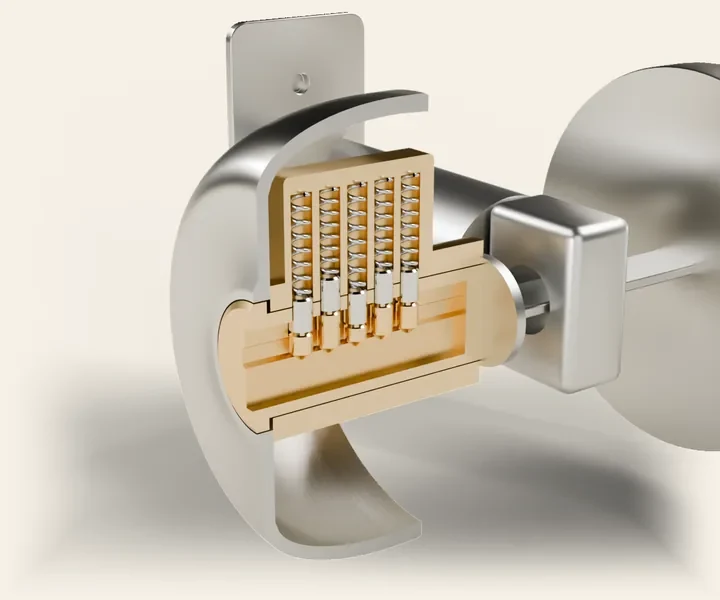
02
Inside the cylinder
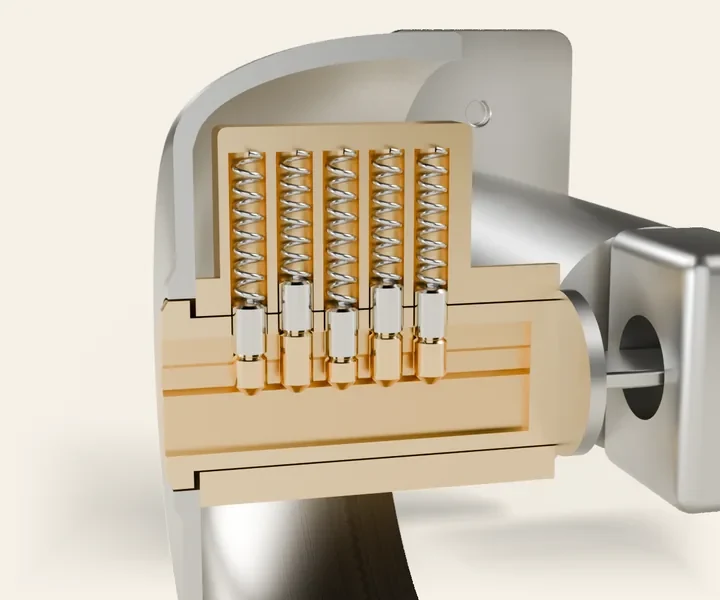
03
Pins, springs and the shear line
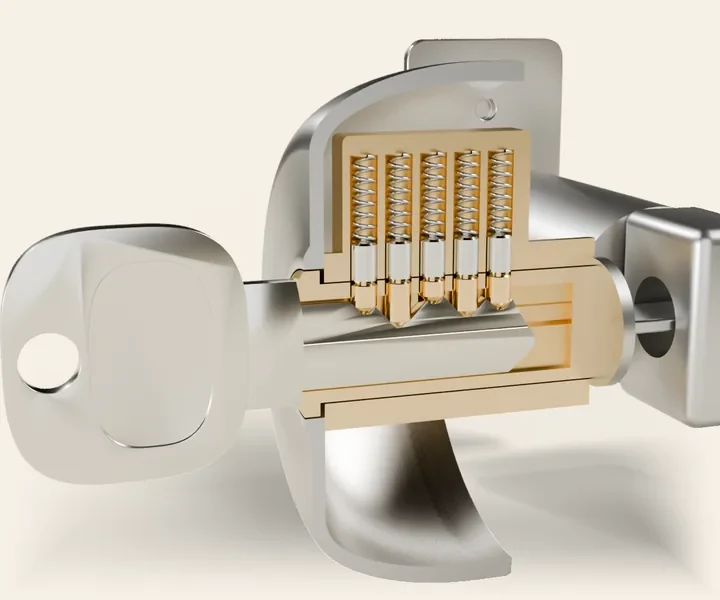
04
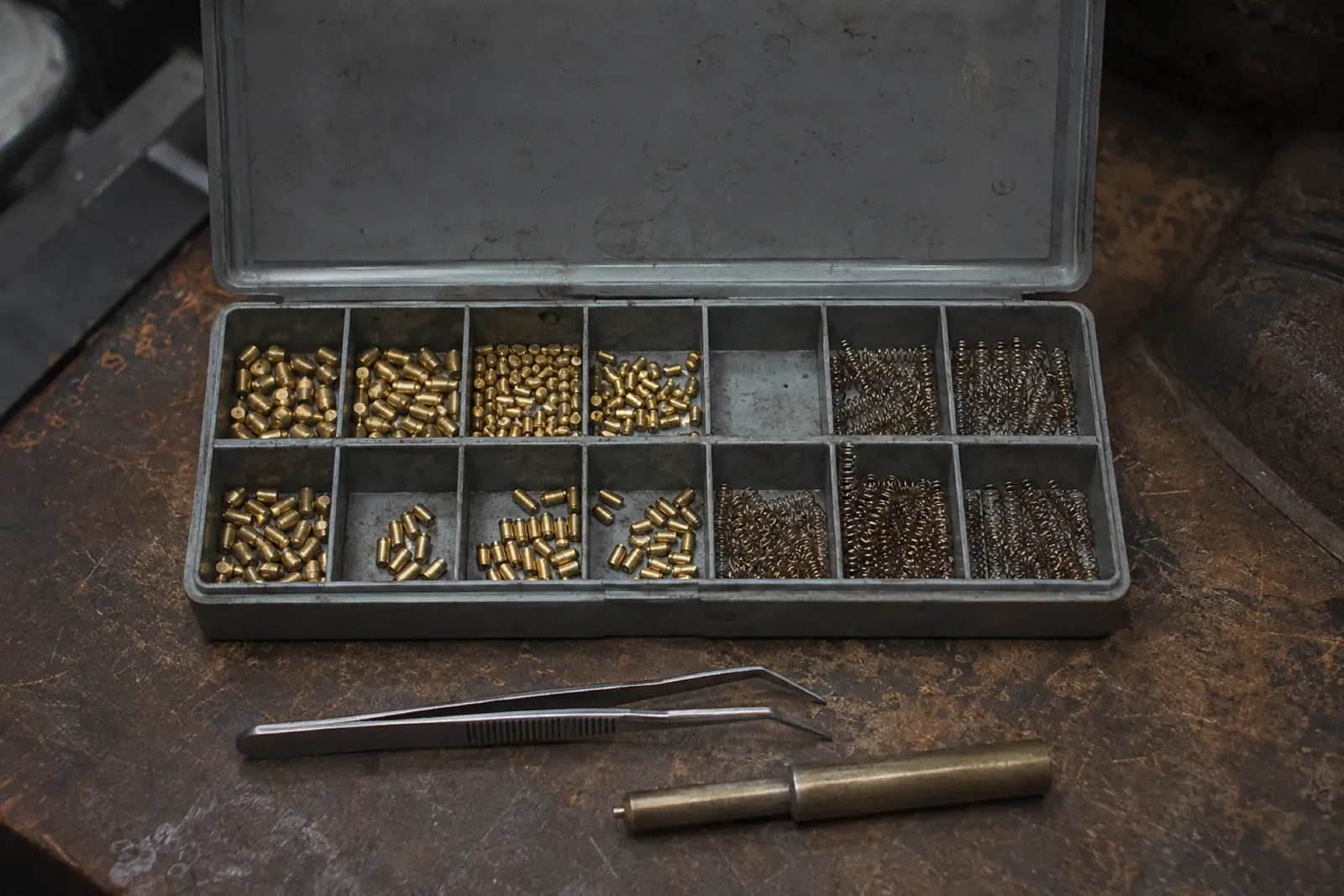
A new key, new pins
Lock Rekeying
How the visit goes
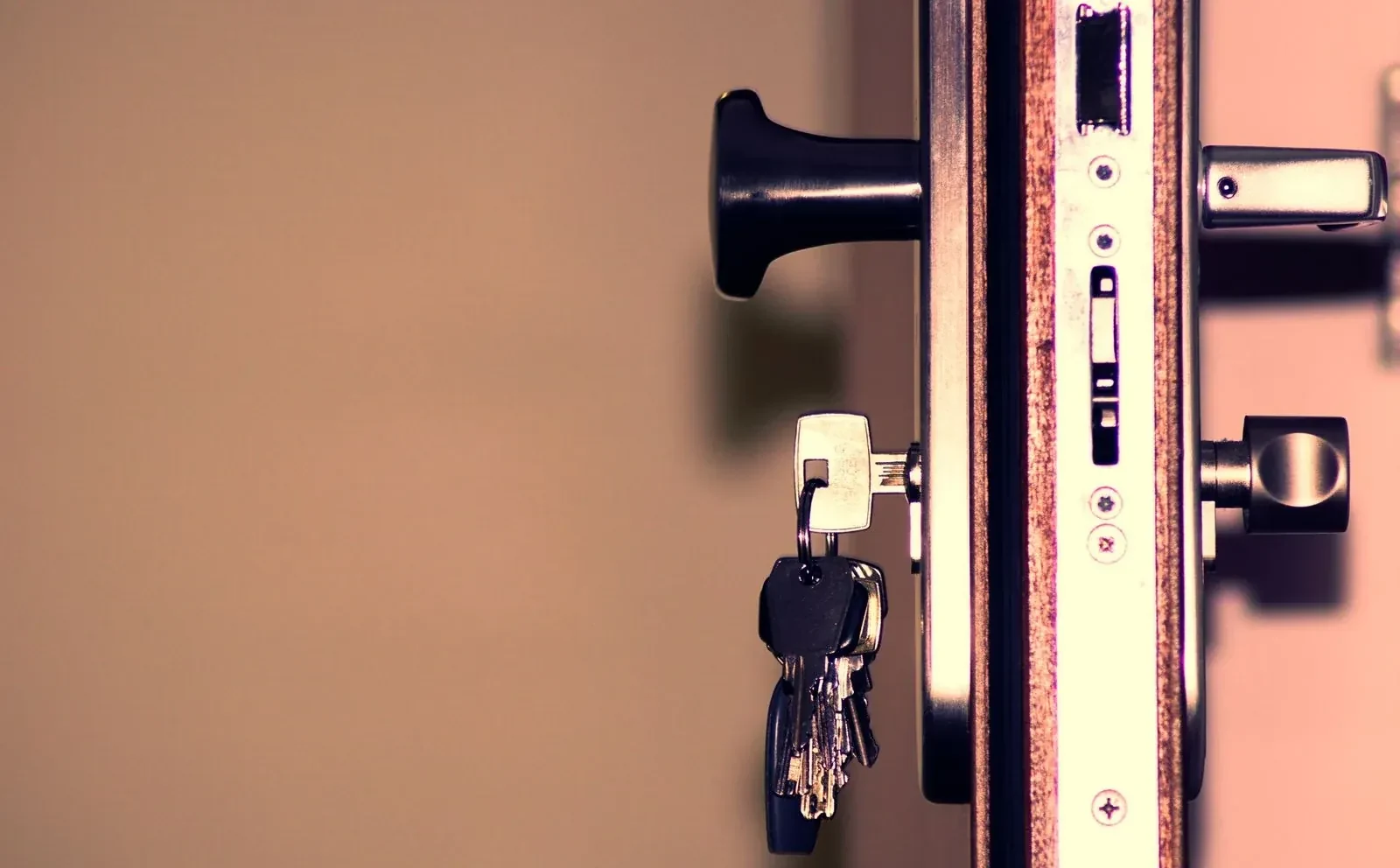
Reading the keyway on each lock
Whether several doors can share one key depends on the cylinders, not the number of doors. Each lock has a keyway, the profile a key must match to enter the plug, and only cylinders with the same keyway can be pinned to the same key. The locksmith looks at the face of each cylinder and the profile of each existing key to sort the house into families. Most homes carry one or two of the common residential keyways, sometimes with an odd one on a side door or a padlock. Anything from a different family is noted so you can decide whether to swap that cylinder for a matching one and bring the door onto the house key.
Taking the cylinder out of the lock
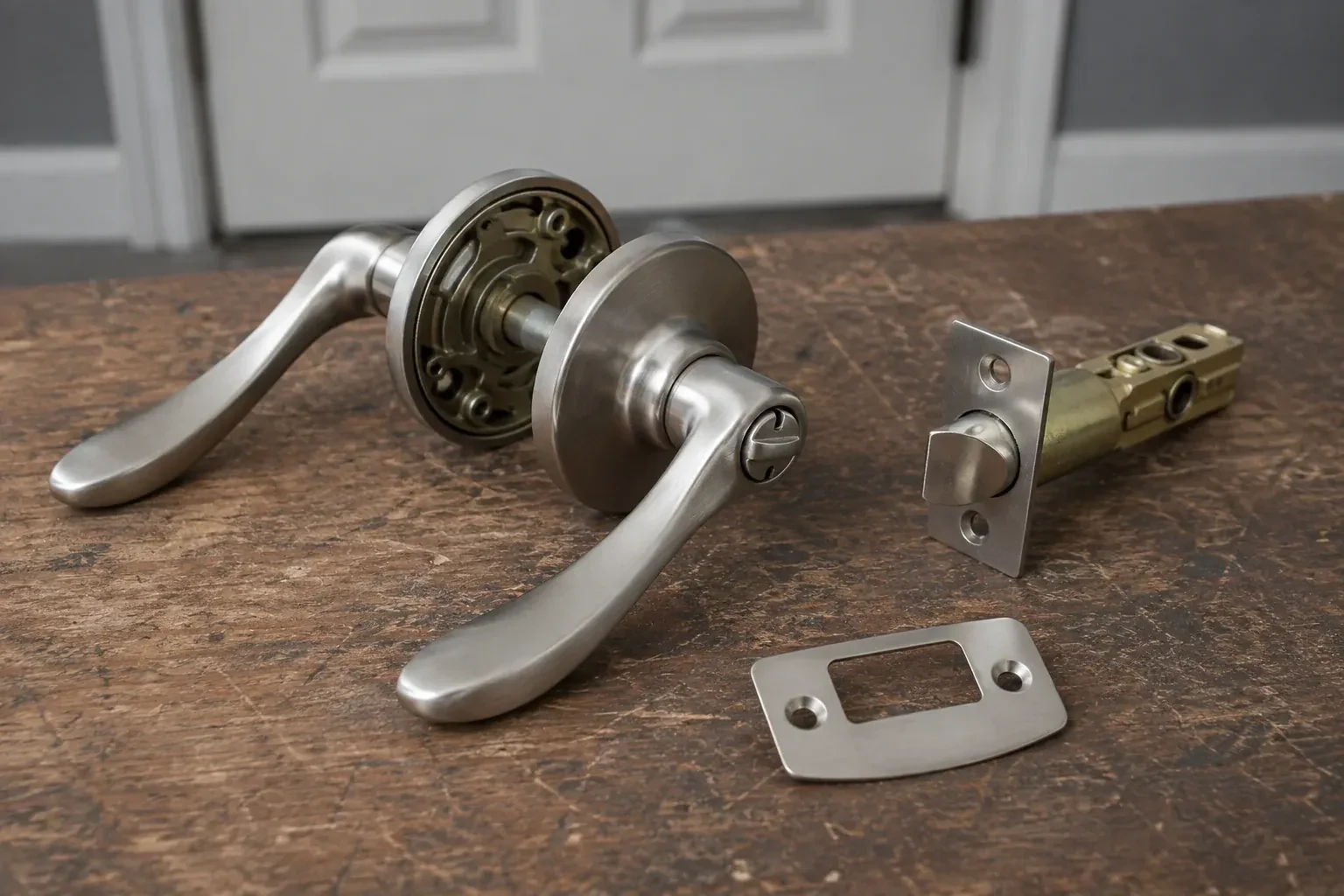
Each type of lock releases its cylinder in its own way, and the locksmith works door by door, finishing one before opening the next, so every entry stays lockable throughout. On a knob or lever set, the handle comes off after a retaining clip or set screw is released, and the cylinder slides out of the handle. On a deadbolt, the interior thumb-turn and housing are removed and the cylinder is withdrawn from the outside body. On an older mortise lock, a small set screw on the door edge is backed out and the cylinder unthreads from the case. Nothing is pried or forced; the door and trim stay untouched throughout.
New keys, counted and tried in every door
You finish the visit holding the only keys that work, and you know exactly how many there are. The locksmith cuts the agreed number from the fresh pinning rather than copying one from another, so each is as true as the first, and tries every one in every door it should open before handing them over. Count them, decide who in the household gets one, and put the spare somewhere you will remember. If a door was left on a separate key on purpose, that key is tagged so it does not get mixed into the house set. The whole set fits comfortably on one ring.
Lock Rekeying
In the van
Dry graphite or PTFE lubricant
Key gauge
Reset tool for user-rekeyable cylinders
Replacement cylinder for odd keyways
Retaining clip tool
Lock Rekeying
What affects the quote
How many cylinders are included
Each cylinder is removed, pinned and tested on its own, so a single deadbolt and a house with six exterior locks plus a shed and a gate are very different visits, and the quote follows the count.
Smart lock override cylinders and codes
Pinning the backup cylinder of a keypad or app lock to the house key is a small extra task, and reviewing or deleting user codes at the same time is another, each named in the quote.
Number of keys cut
Keys are cut and tested individually, so the total depends on how many the household or the tenants need. Say the number when you book and the quote reflects it from the start.
What to have ready
- How many new keys will your household or your tenants need?
- Is the home a condo or in a building with shared entrance doors?
- Are any of the locks keypad or smart locks with a backup key?
Lock Rekeying: questions
QuestionsDo the old keys really stop working?
Yes, at every cylinder that was rekeyed. Once the bottom pins are changed, a key cut to the old combination lifts them to the wrong heights and the plug will not turn. The locksmith proves this at each door by trying the old key after the new one, because any door missed from the list would still answer to the old key. That is also why the walk around the property at the start matters: every door meant to be included has to be on the list.
Will my door hardware look any different afterwards?
No. The work happens inside the cylinder, so the bolt, handle, finish and strike plate stay exactly as they are, and nothing new is cut into the door. The only visible change is the key in your hand. If a cylinder does have to be replaced, because its keyway is incompatible with the others or it has worn out, the locksmith picks one in a matching finish so the door keeps a consistent look.
How often should locks be rekeyed?
There is no calendar for it. What matters is who holds a key, not how many years have passed. Think about it when occupancy changes hands, when someone who had a key no longer needs one, or when a ring goes missing along with something that shows where you live. Between those moments a well-kept cylinder may need no scheduled care, and when it does, use whatever that cylinder's maker specifies. With the doors already on one recorded system, any repeat is a short piece of work.
Related services
- Lock Replacement & UpgradeThe lever on the side door droops toward the floor and rattles in your hand.
- Vintage Mortise Lock ServiceThe interior bedroom doors on the second floor have the original mortise latches, and none of them close any more.
- Smart Lock InstallationThere are four copies of the front-door key floating around: one with the cleaner, one with a neighbour, one on a hook at your parents' place, and one you honestly cannot account for.