Change or rekey · Newmarket
Vintage Mortise Lock Service
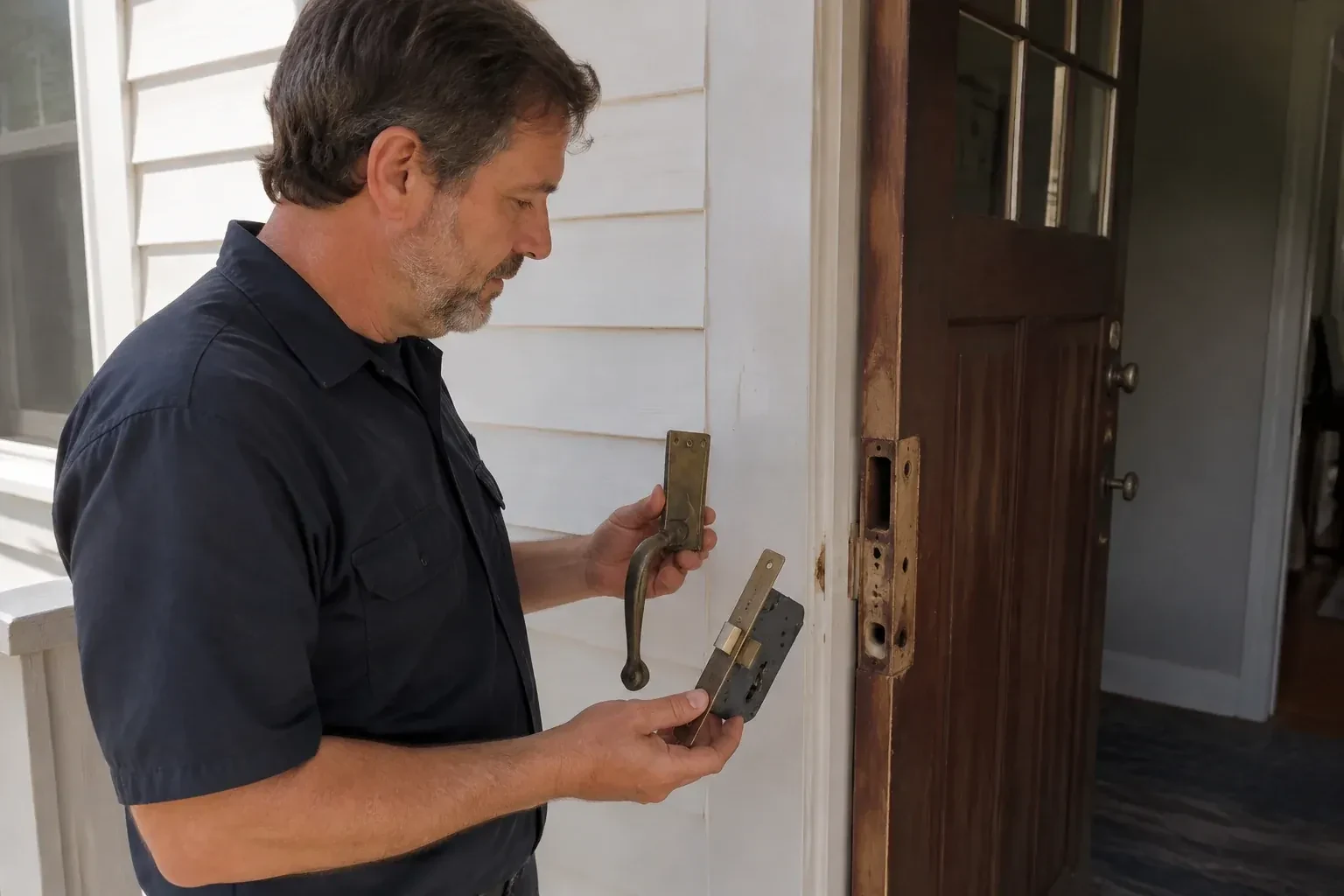
The interior bedroom doors on the second floor have the original mortise latches, and none of them close any more.
In plain words
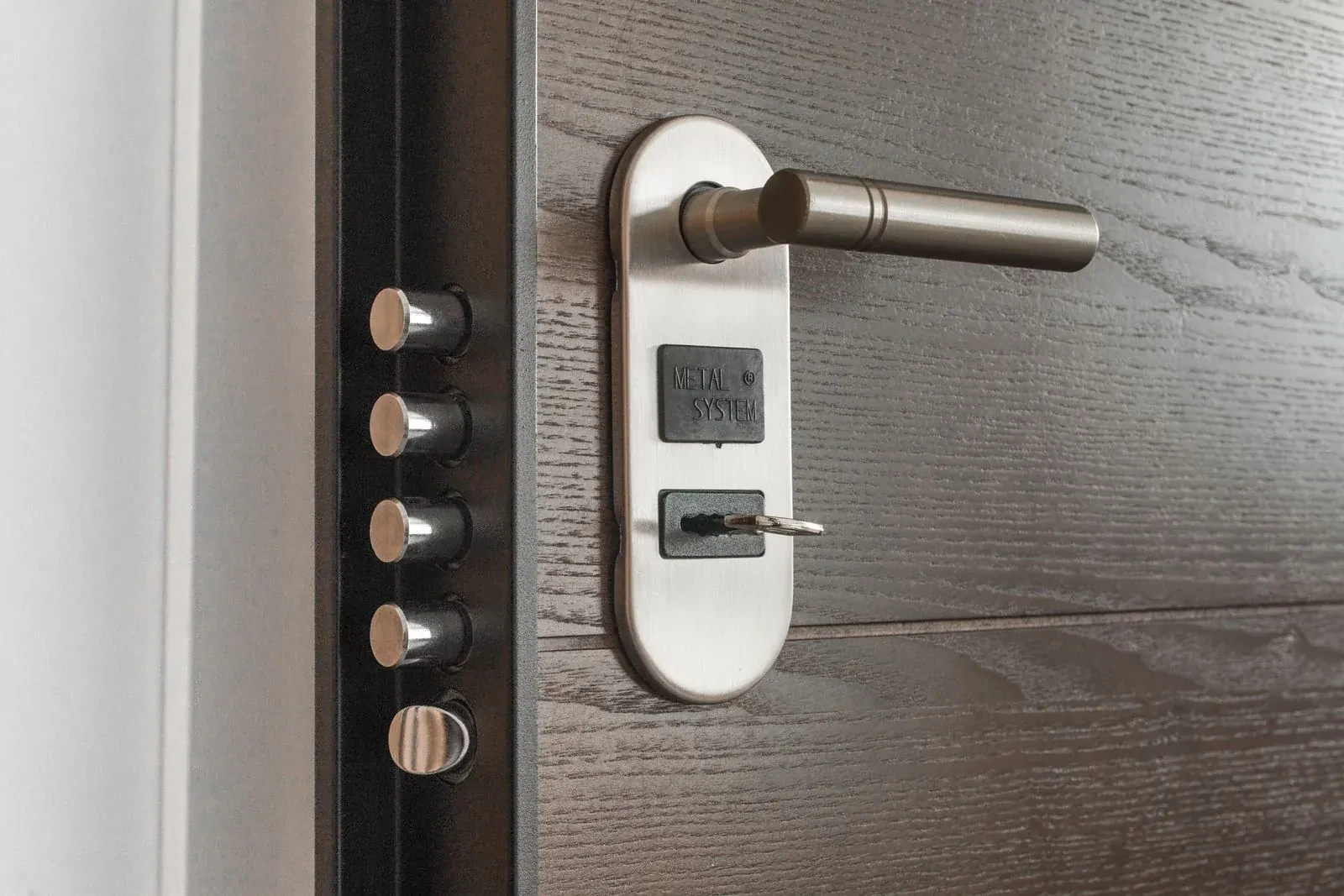
The trim on the door face is the other half of the lock. The knobs ride on a square spindle that passes through the hub of the case, held by small set screws, and the escutcheons cover the spindle and keyholes. Slack in a knob, a knob that pulls off in your hand, or a thumb-turn that spins without moving the bolt usually traces to a worn spindle, a stripped set screw or a hub whose square has rounded. The service replaces spindle and screws, matches a hub or lever from stock or makes one, and fits everything so there is no free play before the latch starts to move.
How the visit goesThe interior bedroom doors on the second floor have the original mortise latches, and none of them close any more. The doors drift open, the small brass turn buttons do nothing, and the keyholes have been empty for as long as anyone can remember.
Vintage Mortise Lock Service
How the visit goes
Who owns the door
The first check has nothing to do with the lock. The locksmith confirms that the person asking for the work owns the home or lawfully lives in it, since a serviced lock and a freshly cut key are, in the end, a way into someone's house. Photo identification and something tying you to the address usually settles it in a moment. On a rental, the landlord and the tenant are expected to agree on lock changes and share keys, so the locksmith asks who should hold the new bit keys or cylinder keys and notes it. This small formality protects the household as much as anyone, and it is done before a screwdriver comes out.
Springs, levers and followers
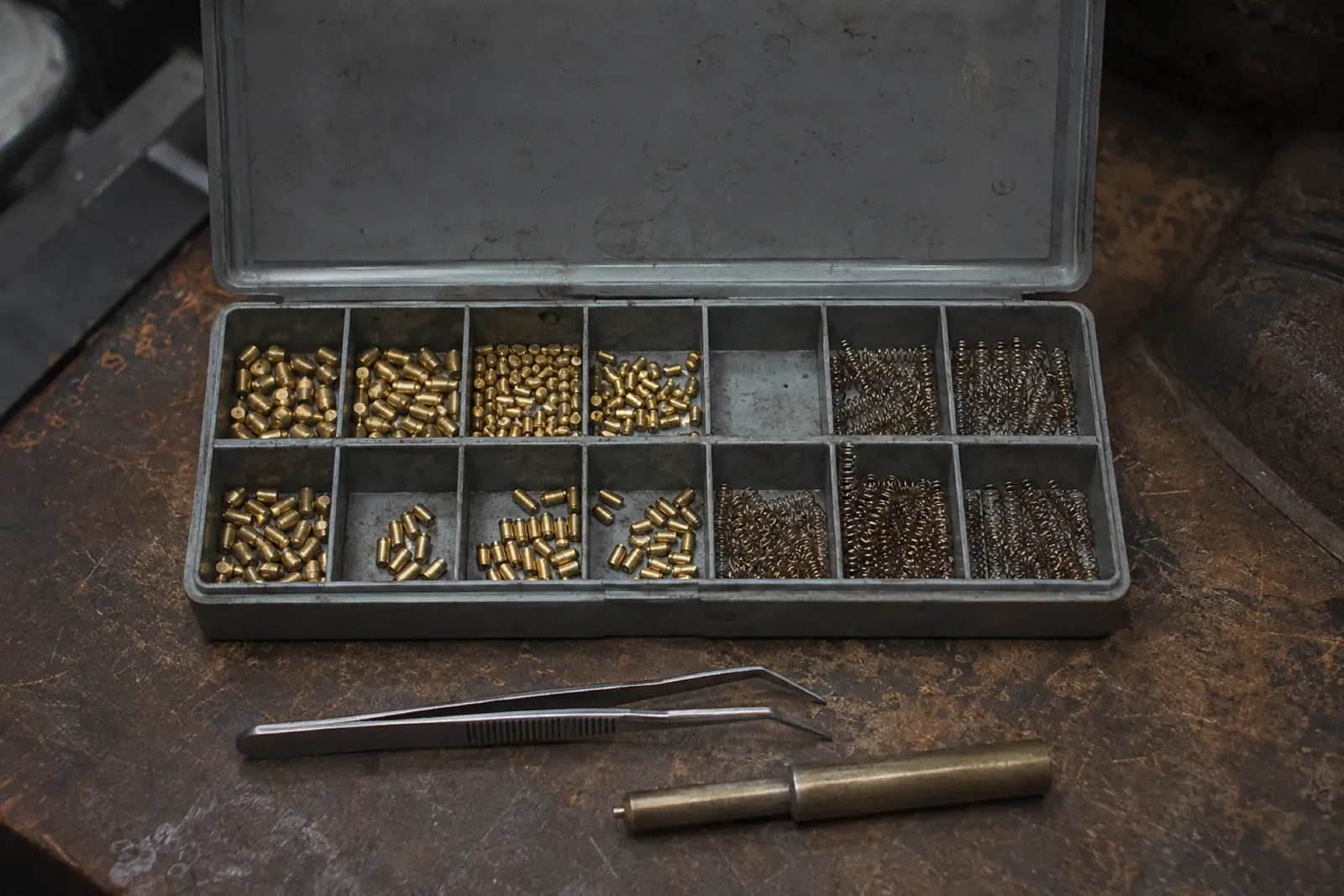
Springs are the usual culprits and the easiest fix. Broken coil and flat springs are matched from stock by length, wire gauge and shape, and fitted so the latch snaps out and the knob returns to level. A worn or cracked lever is matched from a donor case where one exists; where it does not, a replacement is filed from stock to the original's profile, which is slow, careful bench work rather than magic. A rounded hub is replaced or bushed. When every part moves as it should, the case is closed and cycled by hand with the cover on until the action is smooth and even in both directions.
Parts, records and the house file
Anything that came out of the lock, a broken spring, a worn lever, the old cylinder, is offered to you rather than thrown away; some owners keep the originals with the house's papers. The locksmith leaves a short account of what was done: the case type and size, what was replaced, whether keys were made or a cylinder rekeyed, and how the strike was adjusted. For a designated heritage property this record shows the original hardware was retained. For everyone else it is simply the sheet you hand to the next locksmith, or the next owner, so nobody has to rediscover what is inside the door.
Vintage Mortise Lock Service
In the van
Latch and hub springs
Spindle and knob set screws
Reproduction mortise case
Cylinder set screw
Deadbolt lever springs
Vintage Mortise Lock Service
What affects the quote
What is actually broken inside
A clean and new springs is the lightest job. A worn hub, a cracked lever or a part that has to be fabricated to match the original adds bench time, and the assessment names which applies before any of it starts.
Replacement cylinder
When a pin-tumbler cylinder is past rekeying, a new mortise cylinder of the right thread and cam is fitted. A standard cylinder and a high-security one are different hardware and are quoted as such.
Condition of the wood
Stripped screw holes, a loosened pocket or a split at the door edge need dowelling, shimming or gluing before the case can be trusted. That woodwork is quoted once the locksmith has seen the pocket empty.
What to have ready
- Do you own the home or rent it, and who should receive the keys?
- Roughly when was the house built, and is the door original to it?
- Does the deadbolt throw fully with the key or the thumb-turn?
Vintage Mortise Lock Service: questions
QuestionsWhat exactly is a mortise lock?
It is a lock built as a flat rectangular case that sits inside a pocket cut into the edge of the door, rather than through a round hole bored across it. The case holds the latch, usually a deadbolt, the hub the knob spindle turns, and the springs. On the faces of the door you see the knobs, decorative plates and either a keyhole for a bit key or a round cylinder. Most doors built before the middle of the last century carry one.
Why does my knob turn without moving the latch?
Most often the square hole in the hub inside the case has rounded with age, or the spindle has worn, so the knob turns a good way before it grips. Loose knob set screws produce the same slack. Less often a latch spring has broken and the latch is simply sitting inside the door. All of these are corrected during service by replacing the spindle and screws, bushing or replacing the hub, or fitting a new spring.
How long does servicing a mortise lock take?
A single entry lock that needs cleaning, springs and a strike adjustment is generally done in one visit of an hour or two. Filing a bit key adds bench time, and a set of interior latches is longer simply because there are more of them. A case that needs a part fabricated, or a replacement case that has to be ordered to size, may mean a second visit; the locksmith says so at the assessment.
Related services
- Deadbolt InstallationYou bought a keypad deadbolt online and pulled the old one off, only to find the hole in the door is a different size and the bolt latch sits at a backset the new kit does not list.
- Lock Replacement & UpgradeThe lever on the side door droops toward the floor and rattles in your hand.
- Smart Lock InstallationThere are four copies of the front-door key floating around: one with the cleaner, one with a neighbour, one on a hook at your parents' place, and one you honestly cannot account for.