Change or rekey · Newmarket
Gate & Building Entry Locks
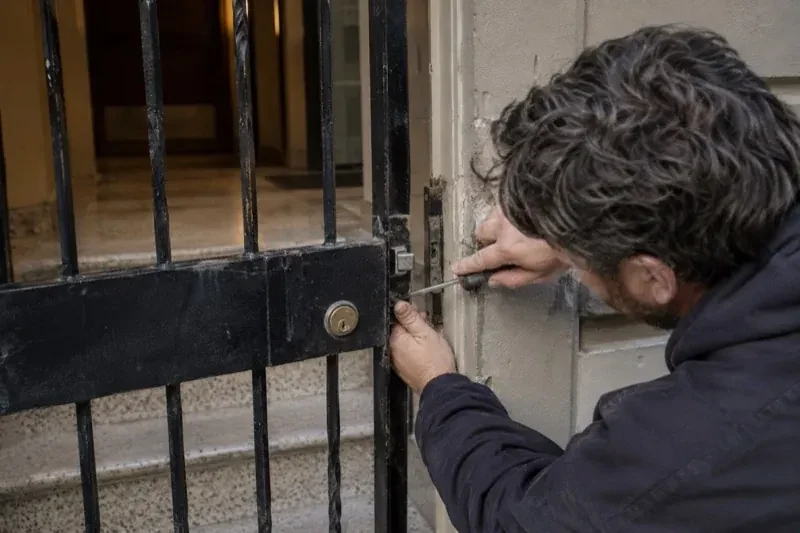
The gate to the side yard used to close with a satisfying click.
In plain words
Gate hardware tends to struggle most in the season that stresses it hardest, and a cylinder or closer that has been sluggish all autumn rarely improves once the weather turns. Booking this service ahead of winter gives the locksmith a chance to catch a stiff cylinder, a slow closer or a gate that has started to sag before ice, salt and cold make the same problem harder to reach. What starts as a seasonal check-up often heads off a call made from outside a locked gate in January.
How the visit goesA neighbour mentions, in passing, that the key from three tenants ago still lets him into the building's front door. Nobody changed it after he moved out, and now the property manager wants to know exactly how many keys are still floating around out there.
Gate & Building Entry Locks
How the visit goes
Weather exposure and corrosion
A gate lock lives outside in every season, so the assessment looks specifically for what weather has already done to it: pitting on the cylinder face, a stiff plug that hints at rust inside, green corrosion around a padlock shackle, or a closer that has started to weep hydraulic fluid. Ground-level hardware near a driveway or walkway gets checked especially closely, since de-icing salt collects there over winter. What this turns up decides whether the existing hardware can be cleaned and lubricated or whether weather has already gone past what maintenance alone can address.
Repairing damage from an earlier attempt or a break-in
Where the gate or door shows signs of prying, cutting or a spun cylinder, the damaged hardware is removed and assessed on its own before anything is rebuilt: a bent strike is straightened or replaced, a compromised cylinder is swapped rather than trusted, and a cut hasp or shackle is replaced with a heavier one if the original was clearly overmatched. The surrounding wood or metal gets checked too, since forced entry often stresses the frame as much as the lock. The finished gate or door is tested to confirm it closes, latches and locks exactly as it should.
Hardware set up to last outdoors
Anything replaced or adjusted during the visit is chosen and finished for life outside: corrosion-resistant fasteners, a cylinder rated for weather exposure, and a lubricant matched to whatever the cylinder maker specifies for it, since the wrong product collects grit and gums up in the cold. A light coat of that lubricant at the interval the maker recommends, worked through with the key a few times, keeps a cylinder turning smoothly well beyond what the hardware would otherwise manage sitting exposed at a gate or a street-facing door.
Gate & Building Entry Locks
In the van
Keyed-alike cylinders
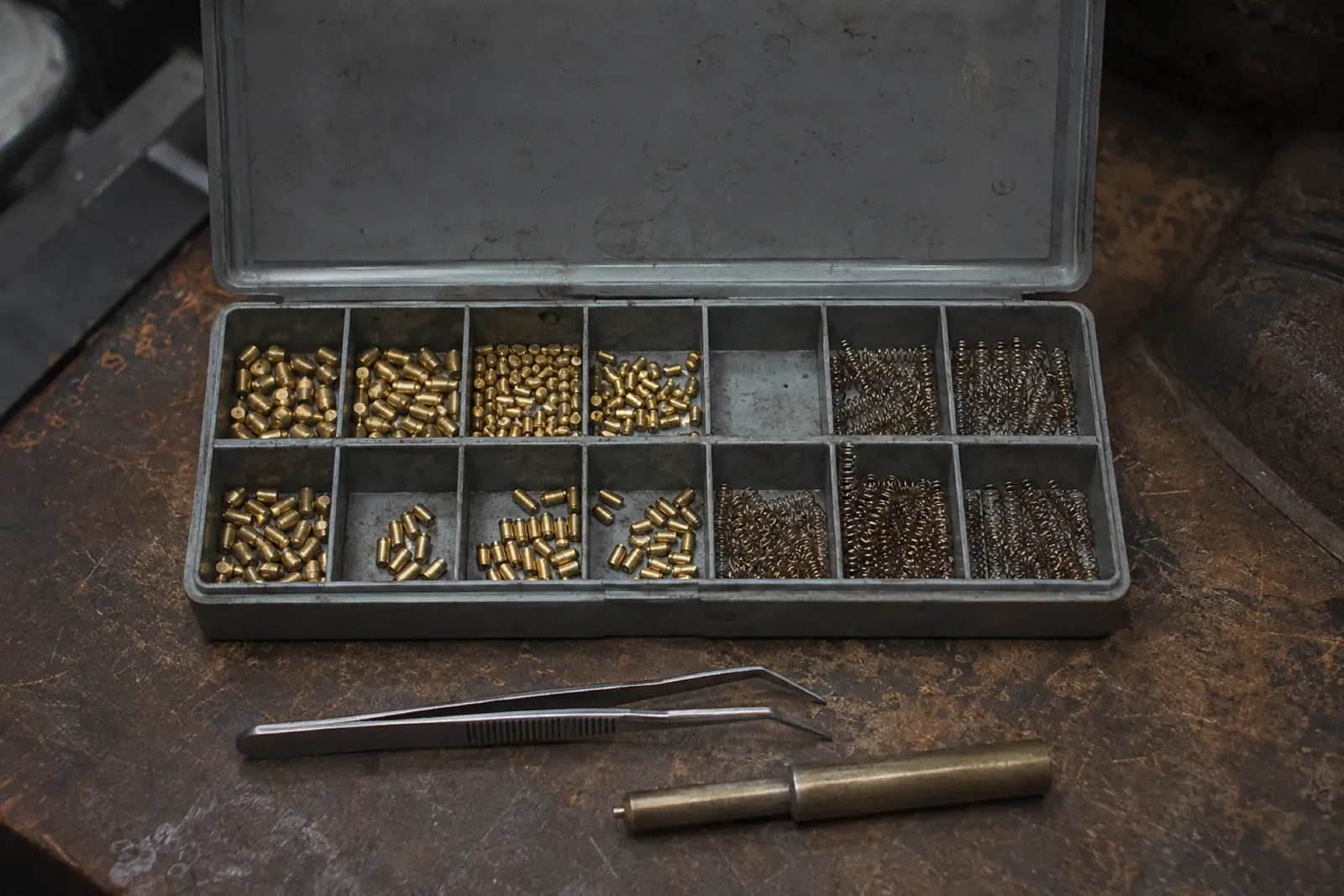
Cylinder decoder and pick set
Corrosion-resistant fasteners
Key blanks and code cutter
Gate locks and latches
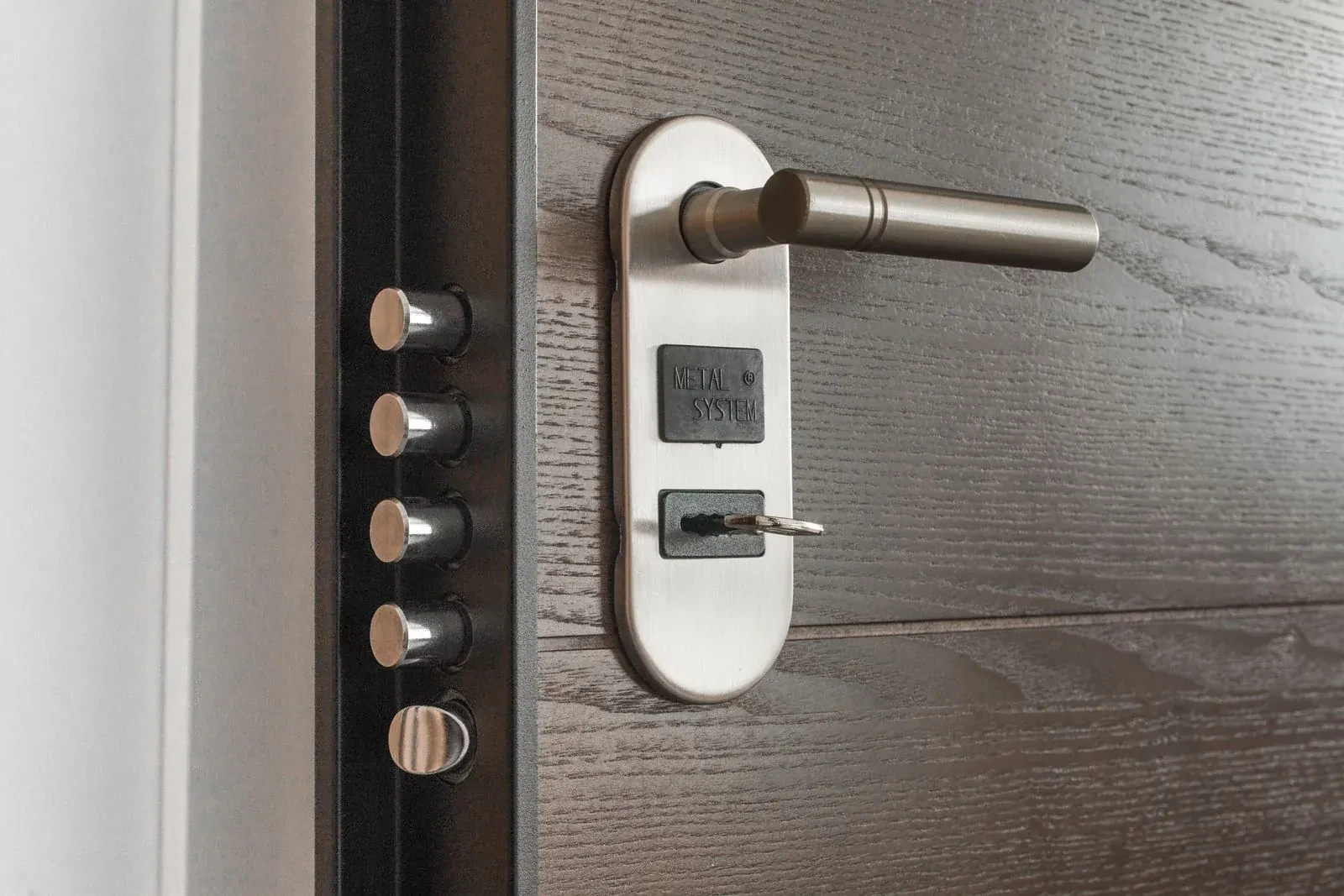
Gate & Building Entry Locks
What affects the quote
Whether keys need coordinating across doors
Rekeying a single lock is one task. Bringing several gates or a shared entry onto one common key, or setting up a master key arrangement across a property, adds planning and cylinder work beyond a single rekey.
Any upgrade chosen while the locksmith is already there
Some property owners use the visit to move to a heavier closer, an electric strike, a master key system or additional padlocks for other gates. None of this is required to address the original problem; each option is priced as a separate line.
Materials the gate or frame is built from
Wood, wrought iron, aluminum and vinyl gates each take fasteners and mounting approaches suited to that material, and matching the lock and closer correctly to the gate's construction is part of what the quote covers.
What to have ready
- Is this a single household gate or a shared building entry?
- Is the gate wood, metal, aluminum or vinyl?
- Roughly how many people currently need a working key?
Gate & Building Entry Locks: questions
QuestionsWhat can be done about salt and corrosion on outdoor gate hardware?
Choosing corrosion-resistant fasteners and a cylinder rated for weather exposure at the outset avoids most of the problem, since plain steel fittings near a driveway or walkway take the brunt of de-icing salt over a winter. For hardware that already shows early corrosion, cleaning and a dry lubricant can extend its working life, while pitted or seized parts are better replaced than fought with season after season. A rinse of the hardware after a heavy salt application is a simple habit that helps as well.
Should every gate on my property share one key, or is it better to keep them separate?
Either can make sense, and the choice usually comes down to who uses which gate and how often. A household that walks through the front and side gates daily generally prefers one key for both, while a gate that only a landscaper or utility worker uses is sometimes kept on its own key deliberately, so lending it out does not hand over access to everything else. The locksmith can lay out both options once every gate on the property has been looked at.
Our property has a lot of separate gates. Is there a way to manage that with fewer keys?
Yes, a master key arrangement is a common answer: individual gates each keep their own key for day-to-day use, while one additional master key opens all of them for whoever manages the whole property, such as an owner or a maintenance contractor. Setting this up means recombining or replacing the cylinders involved so they share a compatible pinning structure, which is planned out before any single gate's lock is touched, so the system works as intended once finished.
Related services
- Deadbolt InstallationYou bought a keypad deadbolt online and pulled the old one off, only to find the hole in the door is a different size and the bolt latch sits at a backset the new kit does not list.
- Lock Replacement & UpgradeThe lever on the side door droops toward the floor and rattles in your hand.
- Vintage Mortise Lock ServiceThe interior bedroom doors on the second floor have the original mortise latches, and none of them close any more.